


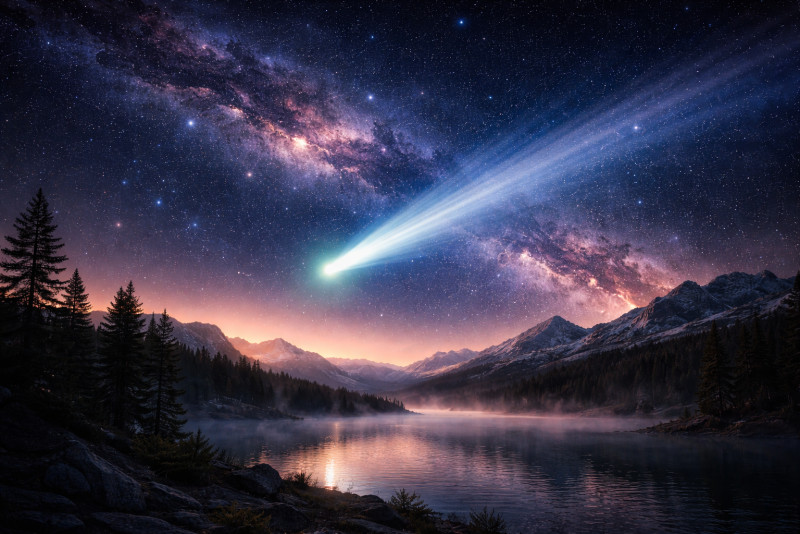
Have you ever looked at the night sky and felt like you were waiting for something big to happen? Well, 2026 is the year the universe finally answers. After a few years of "okay" celestial events, we are currently staring down the barrel of what astronomers are calling the Great Comet of 2026.
This isn't just a faint smudge you need a $5,000 telescope to see. We are talking about potential naked-eye brilliance—the kind of event that makes people stop their cars on the side of the road and point at the sky. There are actually two major contenders for the "Great" title this year: C/2025 R3 (PanSTARRS) and the newly discovered "sungrazer" C/2026 A1 (MAPS).
If you’ve been following the news this January, you know the excitement is reaching a fever pitch. Here is everything you need to know about when, where, and how to catch this once-in-a-lifetime light show.
The Main Event: Comet C/2025 R3 (PanSTARRS)
Discovered late last year, Comet R3 is the one everyone has their money on. It’s a long-period comet, meaning it hasn't been in our neck of the woods for thousands of years. It’s fresh, it’s icy, and it’s currently screaming toward the Sun.
The Key Dates for your Calendar:
-
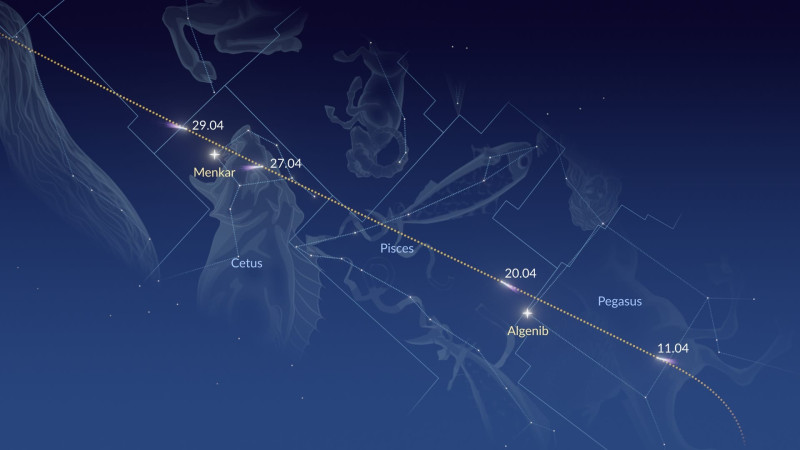
April 17, 2026: This is the "sweet spot." It’s a New Moon, meaning the sky will be as dark as possible. The comet will be visible just before dawn.
-
April 20, 2026 (Perihelion): This is when the comet makes its closest pass to the Sun. The heat will cause it to vent massive amounts of gas and dust, potentially making the tail grow to enormous lengths.
-
April 27, 2026: The comet makes its closest approach to Earth. At 44 million miles away, it’s perfectly safe, but close enough to be strikingly bright.
The Wildcard: The Sungrazer C/2026 A1
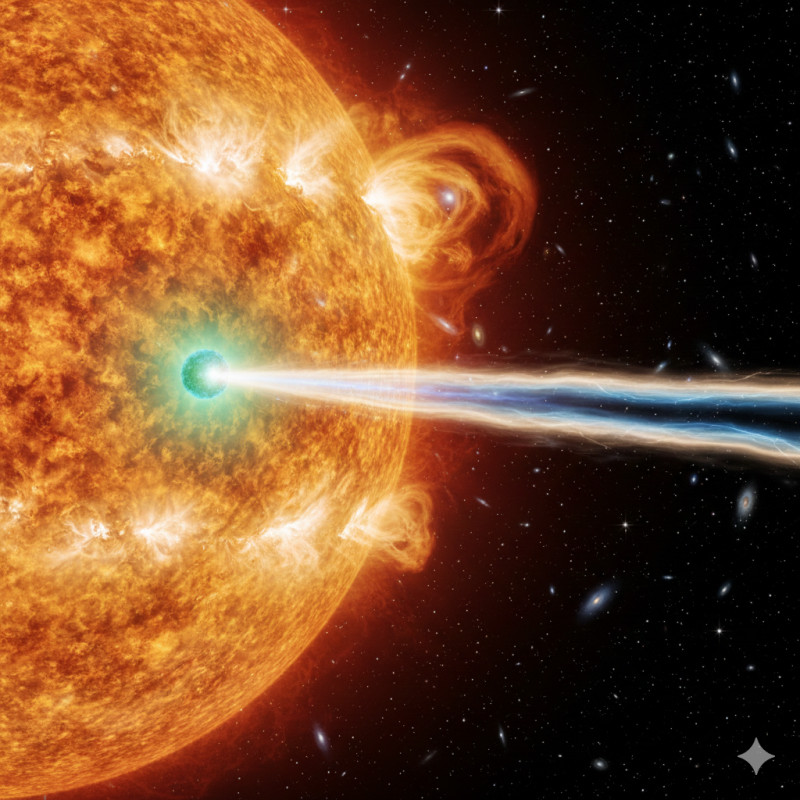
While everyone was focused on PanSTARRS, a group of amateur astronomers in Chile just spotted a "sungrazer" called C/2026 A1. This comet is a daredevil. In early April, it will pass incredibly close to the Sun—nearly brushing the solar surface.
If it survives that heat without crumbling into dust, it could become a daylight comet. Imagine seeing a glowing streak in the sky while the Sun is still up. It’s rare, it’s risky, and it’s making 2026 the most exciting year for astronomy in a decade.
Where to Look: A Simple Guide
You don't need a PhD to find these. For most of April, you should focus your attention on the Eastern horizon just before the Sun comes up.
-
Find the Great Square of Pegasus: This large, easy-to-find square of stars will be your "map" in the predawn sky.
-
Look Below the Square: In mid-April, Comet PanSTARRS will be hanging just below Pegasus in the constellation of Pisces.
-
Use the "Averted Vision" Trick: If the comet looks faint, don't look directly at it. Look slightly to the side of it. Your peripheral vision is more sensitive to light and will help you see the glow of the tail more clearly.
Why This Matters
Comets are more than just pretty lights. They are time capsules from the birth of our solar system, made of the same water and organic molecules that might have started life on Earth. When you see that tail stretching across the sky, you’re looking at 4.5 billion-year-old ice finally meeting the warmth of our Sun.
FAQs: Stargazing the Great Comet
- Do I need a telescope?
- For the peak days in late April, you likely won't! If predictions hold, the comet will be visible to the naked eye. However, a simple pair of bird-watching binoculars will turn a "cool light" into a "mind-blowing spectacle," revealing the structure of the tail.
2. Which hemisphere has the best view?
The Northern Hemisphere gets the better deal in April, especially for the predawn viewing of PanSTARRS. However, the Southern Hemisphere will get a fantastic "encore" performance in early May as the comet moves south after passing the Sun.
3. Will it hit Earth?
Absolutely not. At its closest, it’s still 180 times further away than the Moon. It’s a spectator event, not a disaster movie.
4. What if it’s cloudy?
Because the comet is visible for several weeks, one cloudy night won't ruin your chance. Check your local "Clear Sky Chart" or use a stargazing app like Night Sky to find a window of opportunity.
5. Why is the comet green?
The greenish glow comes from diatomic carbon and cyanogen being blasted by solar radiation. It’s a chemical reaction that creates that signature "alien" green color in the comet's head (the coma).
Pro-Tips for the Best View
To truly experience the Great Comet, you need to get away from the "light domes" of the city. Drive 30 minutes into the countryside where the stars actually look bright. Give your eyes about 20 minutes to adjust to the dark—and put your phone away! That bright screen will ruin your night vision instantly.
2026 is handing us a rare gift. Whether you’re a seasoned astronomer or just someone who likes a good view, don't let April pass you by without looking up.
Reference Links & Sources
-
Economic Times: Great Comet of 2026: When and How to See It
-
NASA Small-Body Database: C/2025 R3 (PanSTARRS) Orbit and Ephemeris