.png)
.png)
.png)
.png)
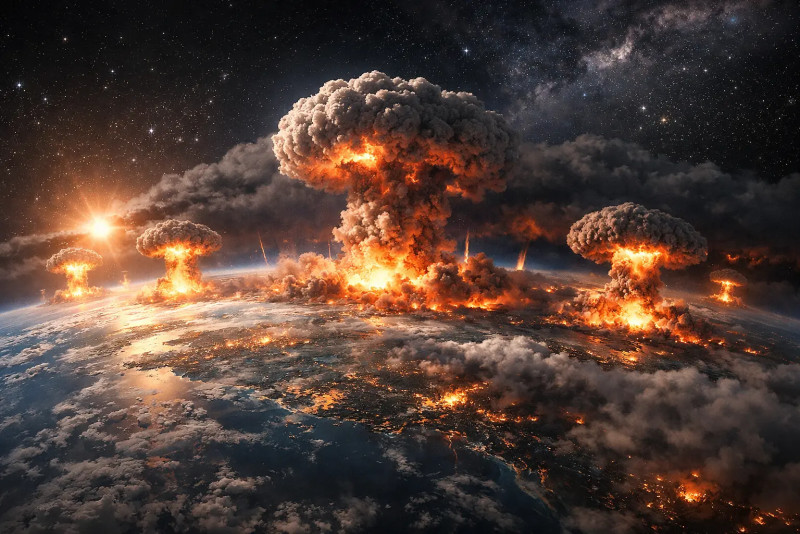
What Would Happen to Earth If World War 3 Turned Nuclear? Scientists Reveal the Terrifying Timeline
By Ronald Kapper
The idea of a nuclear World War 3 has haunted humanity since the first atomic bombs were detonated in the 1940s. While the Cold War ended decades ago, the weapons themselves never disappeared. Today, thousands of nuclear warheads remain deployed or stored across the world.
Scientists have long studied what would actually happen if these weapons were used in a large-scale global conflict. The findings are sobering. A nuclear war would not only devastate cities and populations, it would transform Earth’s climate, ecosystems, and atmosphere in ways that could last for decades.
From the first ten minutes of explosions to years of global climate disruption known as “nuclear winter,” researchers have modeled how such a scenario could unfold. Understanding these consequences is not about politics or fear, but about the science of how nuclear weapons interact with the planet’s environment.
If a global nuclear conflict ever occurred, the effects would extend far beyond the battlefield. They would reshape Earth itself.

The First 10 Minutes: How Nuclear War Would Begin
In modern nuclear strategy, many weapons are designed to be launched within minutes of detecting an incoming attack. Early warning satellites and radar systems monitor the planet constantly for missile launches.
If a large nuclear exchange began, the timeline would move incredibly fast.
Within the first few minutes, hundreds of intercontinental ballistic missiles could be launched. These missiles travel through space at extreme speeds and typically reach their targets in about 25 to 30 minutes. However, many nuclear weapons would arrive even faster using submarine-launched missiles positioned in oceans near their targets.
Once the missiles begin arriving, the first explosions would occur almost simultaneously across multiple regions of the world.
Each nuclear detonation produces several immediate effects:
-
A blinding flash hotter than the surface of the sun
-
A massive fireball expanding rapidly through the air
-
An intense shockwave capable of flattening buildings
-
Extreme heat that can ignite fires over vast areas
-
Radiation released into the surrounding environment
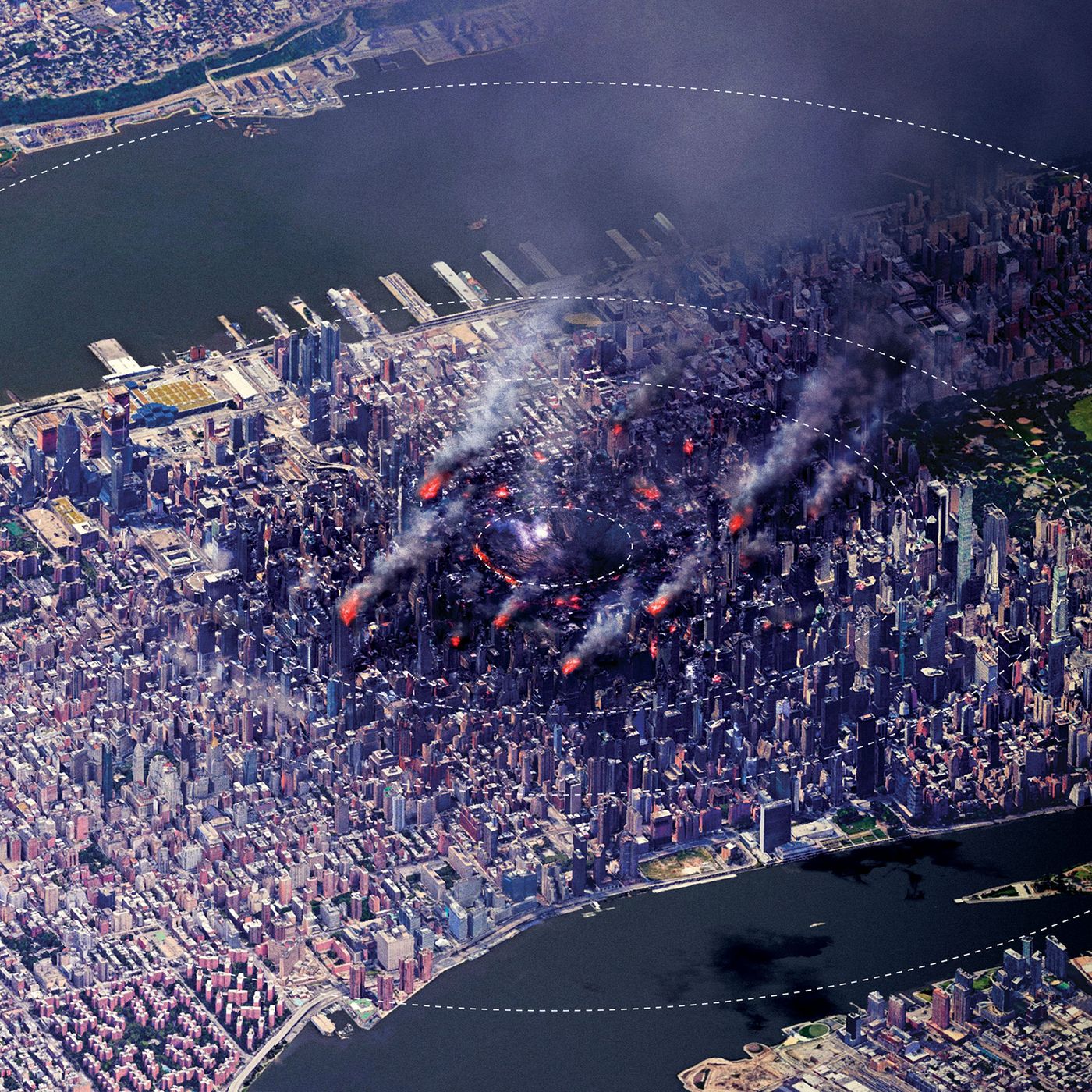
In densely populated cities, a single modern nuclear warhead could destroy large urban areas within seconds.
During the first ten minutes of a global nuclear exchange, dozens or even hundreds of major cities could be struck.
How Many Nuclear Weapons Exist Today?
Although the Cold War ended decades ago, nuclear weapons remain part of global military arsenals.
According to scientific and international monitoring estimates, there are roughly 12,000 nuclear warheads worldwide.
Most of these weapons belong to a few major nuclear powers. Some are deployed on missiles, submarines, or aircraft, while others remain in storage.
Not all of these weapons would necessarily be used in a single conflict, but even a fraction could have catastrophic consequences for the planet.
Scientists studying nuclear war scenarios often simulate exchanges involving 100 to 1,000 nuclear detonations, far fewer than the total stockpile.
Even these smaller scenarios show severe global consequences.
Firestorms: The Hidden Danger After the Blast
The initial explosions are only the beginning of the destruction.
One of the most dangerous effects of nuclear detonations is the massive fires they create. The intense heat from a nuclear blast can ignite buildings, forests, fuel depots, and infrastructure across large areas.
When many fires combine across a city, they can merge into what scientists call a firestorm.
Firestorms create their own powerful winds as rising hot air pulls in oxygen from surrounding areas. This feeds the flames and allows the fires to grow even larger and hotter.
During historical events such as the bombing of Dresden in World War II, firestorms generated hurricane-like winds and temperatures high enough to melt metal.
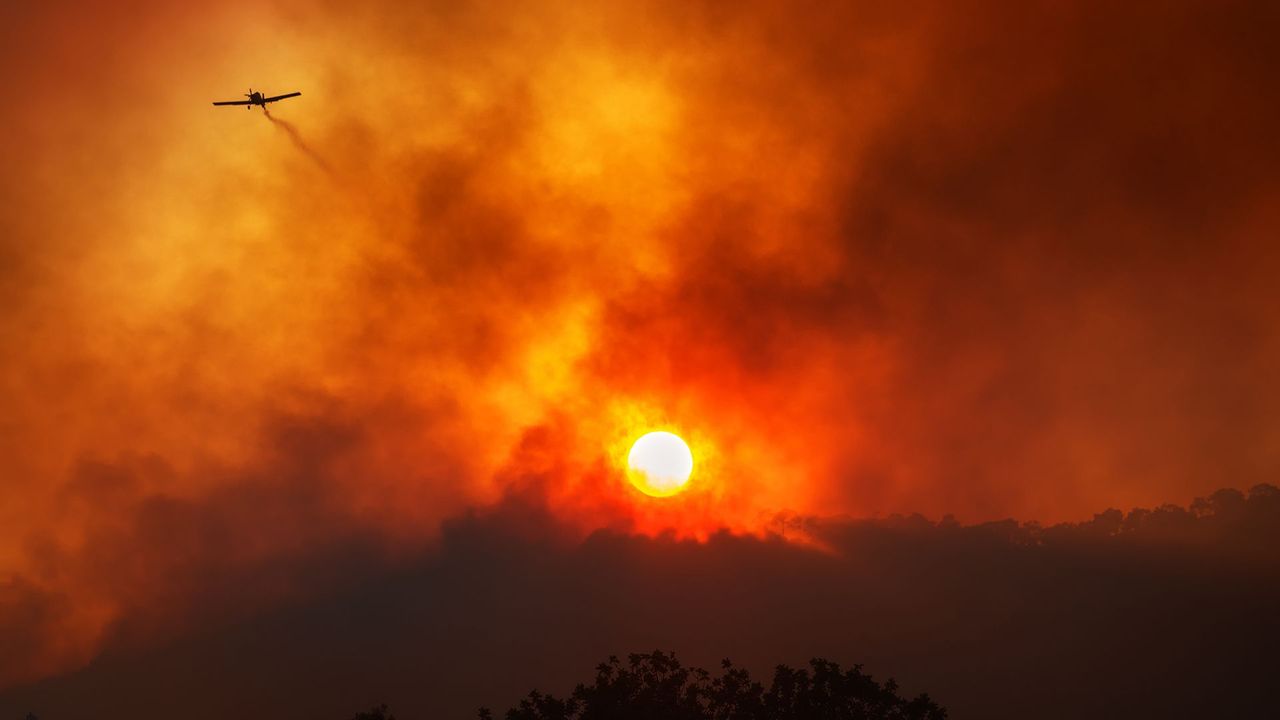
In a nuclear conflict, multiple cities burning simultaneously could produce enormous amounts of smoke and soot.
It is this smoke that leads to one of the most dangerous long-term effects of nuclear war.
Nuclear Winter: A Global Climate Disaster
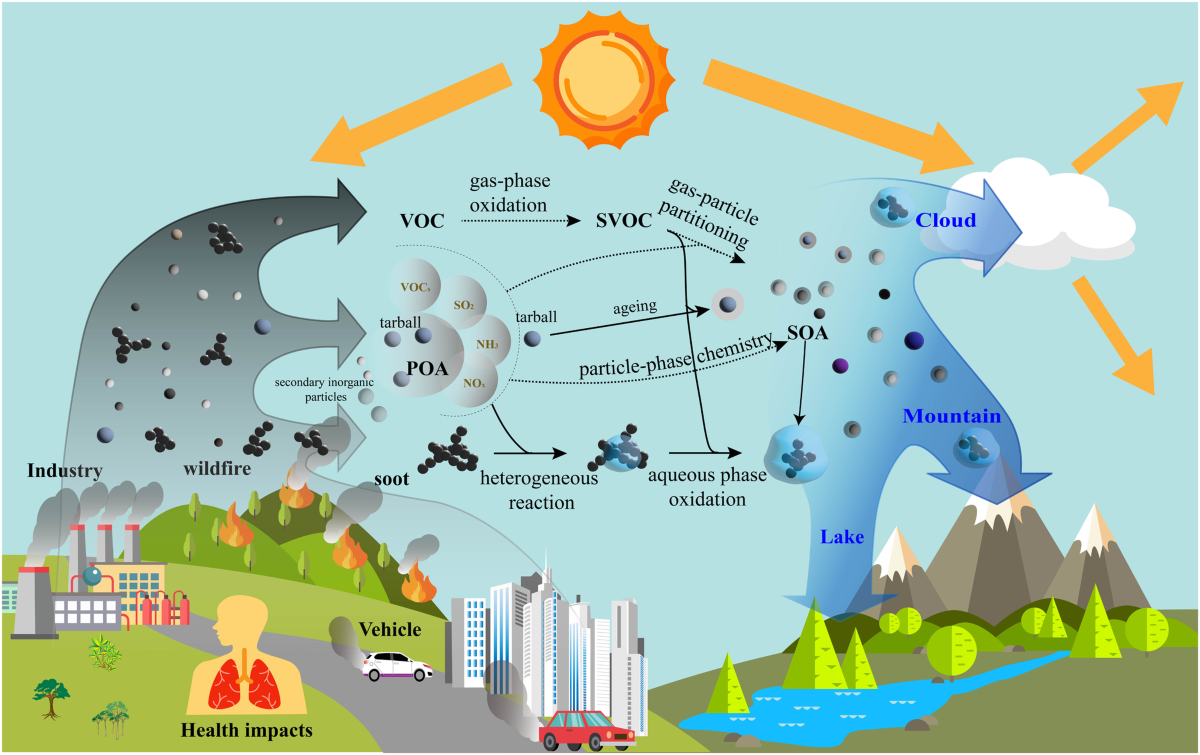
Scientists first began studying the concept of nuclear winter in the 1980s. The theory suggests that massive fires triggered by nuclear explosions could inject enormous quantities of soot and smoke into the upper atmosphere.
Once this soot reaches high altitudes, it can remain suspended for long periods because rain cannot easily wash it away.
The dark particles would absorb sunlight and block a large portion of it from reaching Earth’s surface.
As a result, global temperatures could drop dramatically.
Some scientific models suggest that in a large nuclear war scenario:
-
Sunlight reaching the surface could fall sharply
-
Global temperatures could drop several degrees
-
Growing seasons could collapse in many regions
This cooling effect could last for years.
The planet would not literally freeze, but the sudden climate shift could disrupt agriculture worldwide.
The Global Temperature Drop
The scale of cooling depends on how many nuclear weapons are used and how much smoke reaches the upper atmosphere.
In some simulations involving hundreds of detonations, global temperatures could fall by several degrees Celsius within months.
This may not sound extreme at first, but even small changes in average temperature can dramatically affect global ecosystems and food production.
For comparison, the last Ice Age was only a few degrees cooler than today’s climate.
A sudden drop in temperature would shorten growing seasons, alter rainfall patterns, and disrupt weather systems.
Regions that rely on predictable climate conditions for farming could face severe difficulties producing food.
Crop Failures and Global Food Shortages
One of the most alarming findings from nuclear winter research is the potential impact on agriculture.
Plants require sunlight, stable temperatures, and reliable rainfall to grow. Nuclear winter could disrupt all three.
Reduced sunlight alone could significantly decrease crop yields. Combined with colder temperatures, harvests could fail across multiple continents.
Scientists studying these scenarios suggest that major crops such as wheat, corn, and rice could experience large declines in production.
Even countries far from the conflict zones would feel the impact.
Because modern food systems rely heavily on global trade, disruptions in one region quickly affect markets around the world.
Large-scale crop failures could lead to severe food shortages and rising prices.
The problem would not only be the destruction caused by nuclear explosions but the environmental consequences that follow.
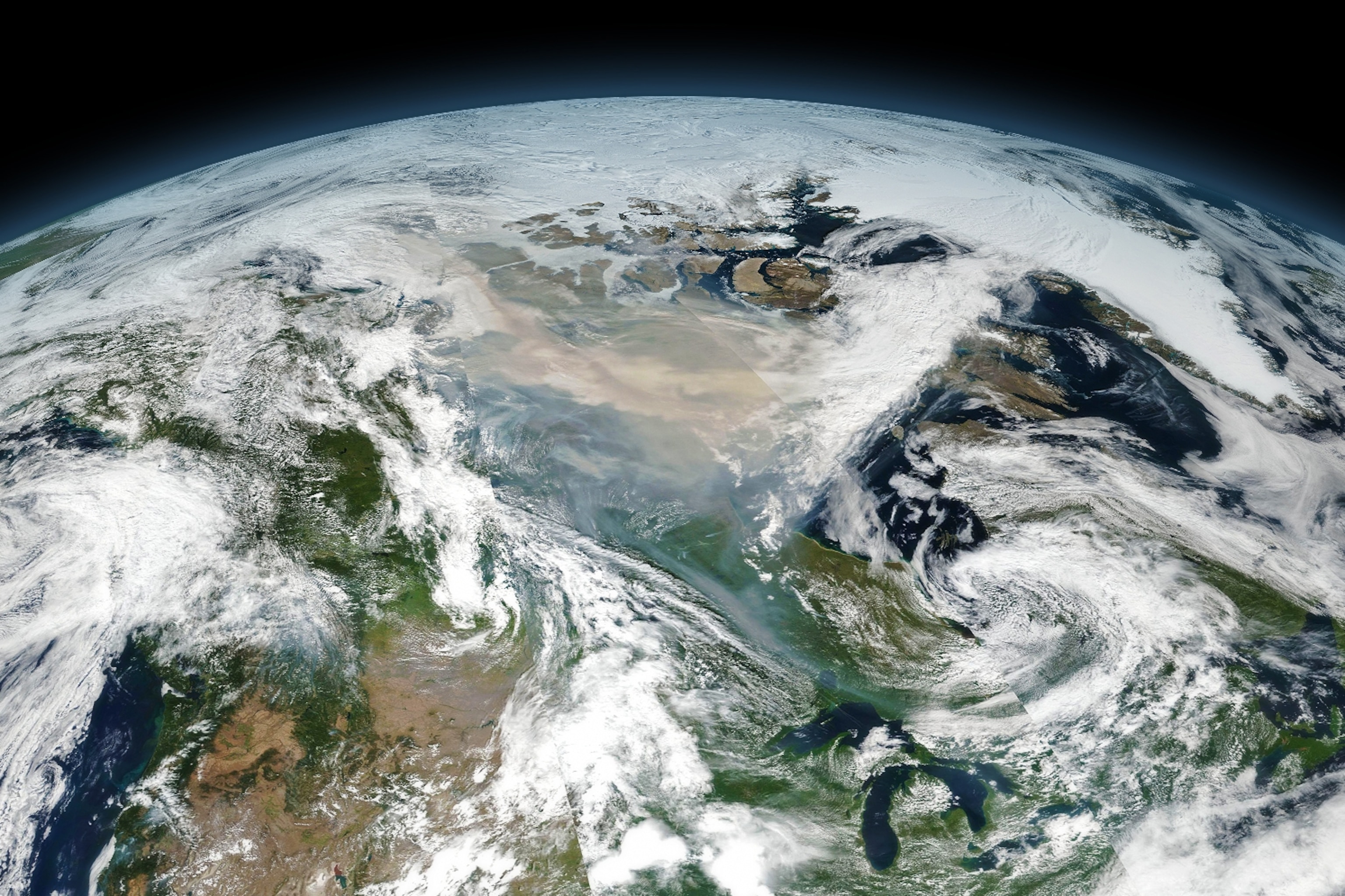
How Earth Would Look From Space
From space, the visual impact of a large nuclear conflict would be dramatic.
Satellites observing Earth would likely see enormous plumes of smoke rising from burning cities and forests. These plumes could spread across continents and eventually circulate around the planet.
Over time, a dark haze could form in the upper atmosphere.
Some scientists believe this layer of soot could resemble the atmospheric effects seen after major volcanic eruptions, but on a much larger scale.
Volcanic eruptions in the past have cooled the planet temporarily by releasing particles that reflect sunlight. Nuclear winter would work differently by injecting soot that absorbs sunlight and blocks it from reaching the surface.
The result would be a dimmer Earth, with sunlight filtered through layers of atmospheric smoke.
Space-based sensors monitoring climate and atmospheric conditions would likely detect dramatic changes in temperature patterns and cloud formation.
Effects on the Ozone Layer
Another possible consequence of large nuclear detonations is damage to the ozone layer.
The ozone layer protects Earth from harmful ultraviolet radiation coming from the sun.
Some research suggests that nuclear explosions and the atmospheric changes caused by nuclear winter could weaken this protective layer.
If that happened, more ultraviolet radiation could reach the surface once the smoke cleared.
This could affect ecosystems, agriculture, and human health.
While the exact level of ozone damage remains uncertain, it is another example of how nuclear war could affect the planet in unexpected ways.
Impact on Oceans and Ecosystems
The consequences of nuclear war would not stop with human society.
Marine ecosystems could also face disruption.
Cooling temperatures and reduced sunlight could affect phytoplankton, the microscopic organisms that form the base of the ocean food chain.
If phytoplankton populations declined significantly, it could ripple through marine ecosystems, affecting fish and other species.
On land, many animals and plants would face rapidly changing conditions.
Some species might adapt, while others could struggle to survive in the altered climate.
Ecosystems that evolved over thousands of years could change within just a few decades.
How Long Would Earth Take to Recover?
Despite the catastrophic consequences of nuclear war, Earth itself would eventually recover.
The planet has endured massive environmental changes in the past, including asteroid impacts, volcanic eruptions, and ice ages.
However, recovery from nuclear winter could take many years.
Some models suggest the smoke in the upper atmosphere could remain for five to ten years before gradually settling out.
During that time, global temperatures and climate patterns would slowly return toward normal conditions.
Agriculture and ecosystems would likely take longer to recover fully.
Human societies would face the challenge of rebuilding infrastructure, restoring food systems, and adapting to a dramatically altered world.
The long-term consequences could last for generations.
Why Scientists Study These Scenarios
Research into nuclear war consequences is not meant to predict the future. Instead, it helps scientists understand how nuclear weapons interact with the Earth system.
By studying climate models, atmospheric chemistry, and environmental effects, researchers can better understand the risks associated with these weapons.
This knowledge has played an important role in international discussions about nuclear policy and arms control.
Scientific studies provide a clearer picture of the potential consequences and help inform decisions about reducing global nuclear arsenals.
The Planetary Perspective
When viewed from a planetary perspective, nuclear war is not just a human conflict.
It is an event that could alter Earth’s atmosphere, climate, and ecosystems.
The science shows that even a limited nuclear exchange could trigger global consequences far beyond the regions directly affected by explosions.
This is why many scientists describe nuclear war as a threat not only to nations but to the stability of the entire Earth system.
Understanding these risks is one reason nuclear weapons remain one of the most studied and debated technologies in modern history.
FAQs
How many nuclear weapons exist worldwide?
Scientists estimate that roughly 12,000 nuclear warheads currently exist globally, although only a portion are actively deployed.
What is nuclear winter?
Nuclear winter is a scientific theory suggesting that smoke from massive fires after nuclear explosions could block sunlight and cool the planet for several years.
Would a nuclear war destroy the entire planet?
No. Earth itself would survive. However, the environmental and climate consequences could severely disrupt ecosystems and human societies.
How quickly would nuclear war affect the climate?
Climate effects could begin within weeks as smoke spreads through the atmosphere and begins blocking sunlight.
Could humanity recover after a nuclear war?
Recovery would depend on many factors, including the scale of the conflict. While Earth’s environment would eventually stabilize, rebuilding societies could take decades.
Conclusion
A nuclear World War 3 would be more than a military conflict. It would be a planetary event with consequences that extend far beyond the immediate destruction.
Within minutes, nuclear explosions could devastate cities. Within months, smoke from massive fires could darken skies and cool the planet. Over the following years, global agriculture, ecosystems, and climate systems could be pushed into dangerous instability.
The science behind these scenarios provides a sobering reminder of the power humanity has created.
Understanding the potential consequences is essential not only for scientists but for anyone interested in the future of our planet.
Earth has survived many catastrophic events throughout its history. Whether humanity could navigate the aftermath of a nuclear war remains one of the most profound questions scientists continue to study.