.png)
.png)
.png)
.png)
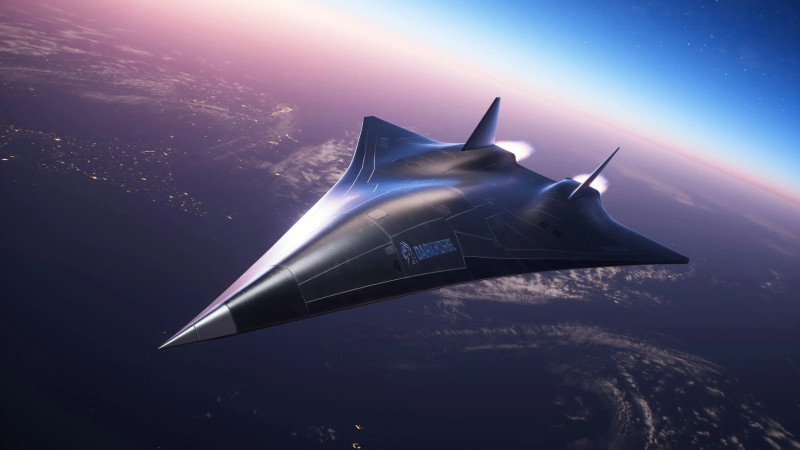
Next-Gen Propulsion: How UAP Disclosure Is Accelerating the U.S. Defense Tech Boom
For decades, reports of strange aerial objects were often dismissed or buried in classified files. Today the situation is very different. Unidentified Aerial Phenomena, commonly called UAP, have become the focus of official investigations, congressional hearings, and serious scientific research.
As governments release more information about these sightings, a new technological race is quietly gaining momentum inside the defense world. Engineers, physicists, and military planners are asking a simple but powerful question:
What if the flight capabilities observed in some UAP encounters could inspire the next generation of propulsion systems?
While there is still no confirmed evidence that UAP represent non-human technology, the unusual maneuvers reported by pilots have triggered renewed interest in advanced aerospace engineering.
The result is a growing wave of investment in hypersonic propulsion, experimental engines, and unconventional flight systems, fueling what many analysts describe as a new boom in U.S. defense technology.
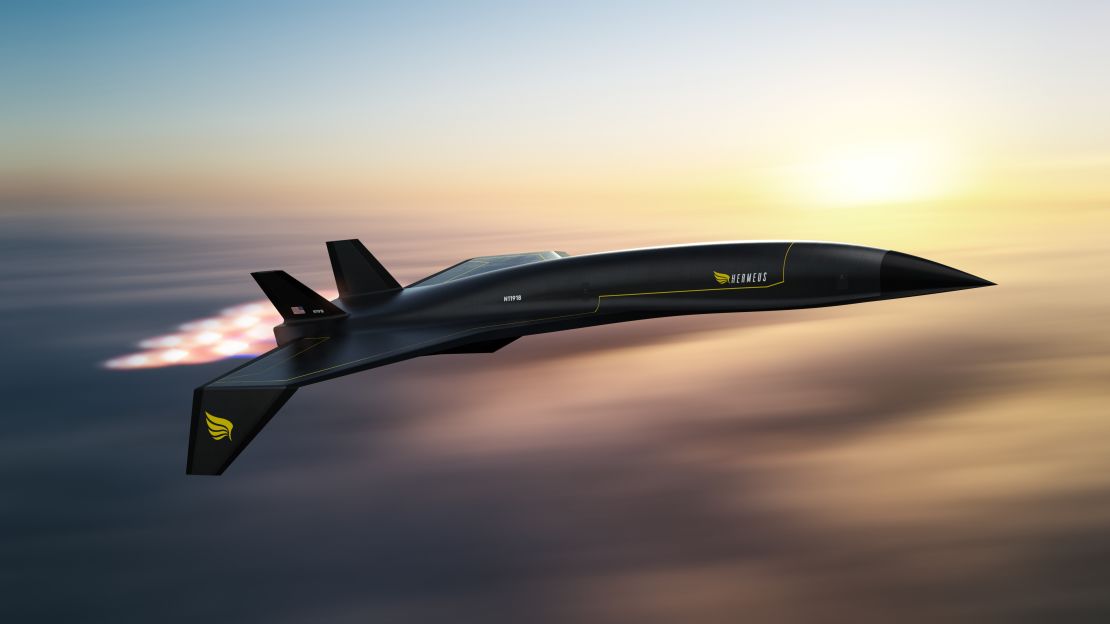
The Moment UAP Became a Serious Topic
For many years, UFO sightings were treated as curiosity stories rather than security concerns. That changed when the United States government began publicly acknowledging unexplained aerial encounters.
In 2021, the Office of the Director of National Intelligence released a preliminary assessment of UAP sightings collected by the U.S. military. The report reviewed more than 140 incidents observed by naval aviators and other defense personnel.
The document did not claim extraterrestrial origins, but it confirmed that several sightings involved objects demonstrating unusual flight characteristics.
These observations included:
-
sudden acceleration
-
rapid direction changes
-
flight without visible propulsion
-
movements beyond known aircraft performance
Although many incidents likely have ordinary explanations, the report acknowledged that some events remain unexplained and require further investigation.
For defense planners, even a small number of unexplained cases is enough to raise concern. If such flight performance were possible, it could represent a major technological breakthrough.
The Creation of Dedicated UAP Research Programs
Following public attention and political pressure, the Pentagon created new offices to investigate unidentified aerial encounters.
One of the most important is the All-domain Anomaly Resolution Office (AARO), which collects data from military sensors and studies unusual objects observed in airspace.
The goal of these programs is not simply curiosity. Their primary mission is national security.
Officials want to determine whether UAP sightings could represent:
-
foreign surveillance technology
-
experimental aircraft
-
sensor anomalies
-
natural phenomena
-
or something still unknown
Even when sightings turn out to be ordinary objects, the investigation process generates valuable data about aircraft performance, sensors, and flight physics.
That information feeds directly into new research programs focused on advanced propulsion and aerospace engineering.
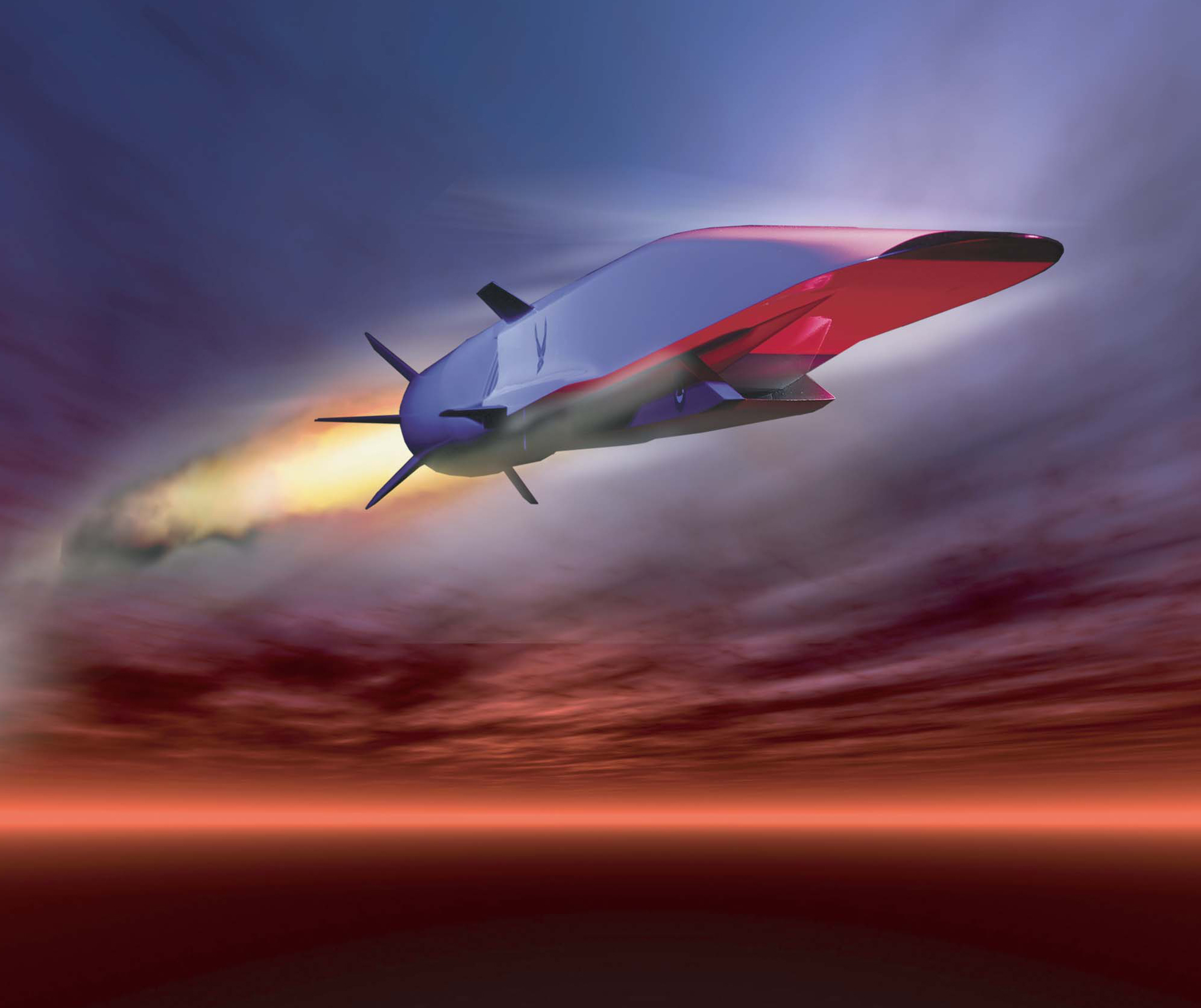
The Rise of Hypersonic Propulsion Research
One of the clearest technological trends linked to modern defense innovation is the race toward hypersonic flight.
Hypersonic vehicles travel faster than Mach 5, which is more than five times the speed of sound.
The United States has been investing heavily in this field through agencies such as the Defense Advanced Research Projects Agency (DARPA) and the U.S. Air Force.
Programs like the Hypersonic Air-breathing Weapon Concept (HAWC) are designed to test scramjet engines capable of sustaining extreme speeds in the atmosphere.
These engines allow missiles or aircraft to travel at thousands of miles per hour while maneuvering during flight.
Such technologies are seen as critical for future defense systems, including rapid strike weapons and high-speed reconnaissance platforms.
Why UAP Encounters Sparked New Interest in Propulsion
Military pilots who reported UAP sightings often described unusual flight behaviors.
In some incidents, objects appeared to:
-
accelerate without visible engines
-
hover without wings
-
perform abrupt turns at high speed
While these observations may eventually have conventional explanations, they have encouraged scientists to rethink the limits of aerospace technology.
Even if current physics cannot fully explain these maneuvers, studying them can inspire new ideas.
Historically, aerospace breakthroughs have often come from exploring unexpected observations.
Researchers are now investigating whether future aircraft could combine multiple propulsion systems to achieve greater maneuverability.
Combined-Cycle Engines: The Future of High-Speed Flight
One promising concept involves combined-cycle propulsion systems.
These engines combine multiple propulsion technologies in a single design.
For example:
-
turbine engines for takeoff and low speeds
-
ramjets for supersonic flight
-
scramjets for hypersonic speeds
DARPA has explored turbine-based combined-cycle engines designed to operate from subsonic to hypersonic speeds.
Such systems could allow aircraft to take off from conventional runways and then accelerate to extraordinary speeds once airborne.
This kind of propulsion architecture is considered essential for the next generation of military aircraft.

Experimental Hypersonic Aircraft
Over the past two decades, several experimental vehicles have demonstrated the potential of high-speed propulsion.
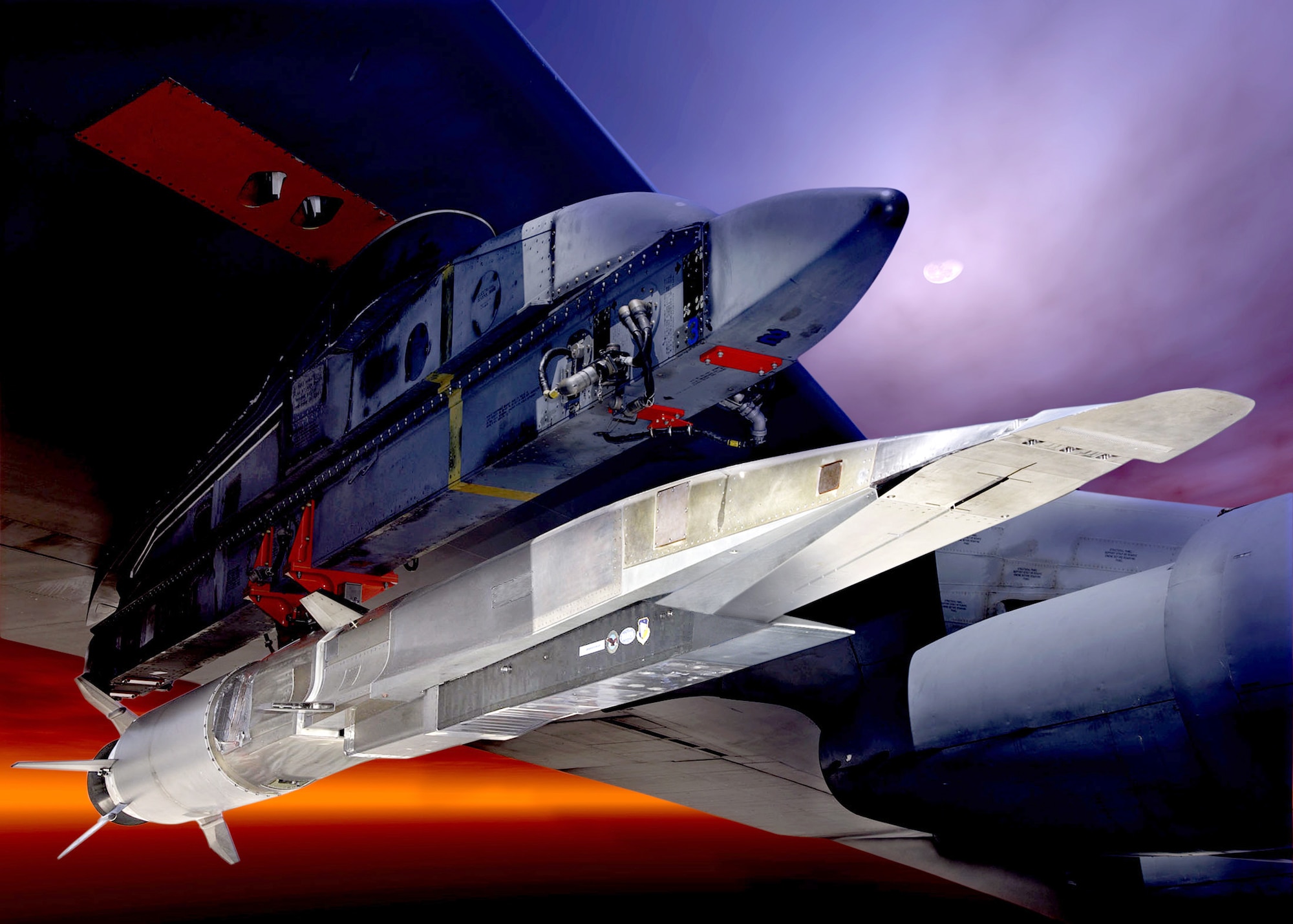
One famous example is the X-51 Waverider, an unmanned hypersonic test aircraft.
In 2013, the X-51 completed a record flight lasting more than six minutes at speeds exceeding Mach 5.
The aircraft used a scramjet engine that burns fuel while air flows through the engine at supersonic speeds.
These experiments proved that sustained hypersonic flight is technically possible, although many engineering challenges remain.
Defense Investment Is Rapidly Growing
The U.S. defense sector has dramatically increased spending on advanced aerospace technologies.
In 2026, the Pentagon selected multiple vendors to accelerate research in areas such as propulsion, maneuverability, and hypersonic aerodynamics.
These programs involve collaborations between government agencies, defense contractors, and research universities.
The funding is not limited to missiles. Future applications could include:
-
high-speed reconnaissance aircraft
-
advanced space launch systems
-
reusable hypersonic vehicles
-
new missile defense systems
This surge in investment has created what many analysts call a defense technology boom centered on advanced propulsion.

Could Future Aircraft Look Like UAP?
It is important to understand that current propulsion research does not confirm any exotic physics.
However, the performance goals of new aerospace projects are becoming increasingly ambitious.
Future aircraft may feature capabilities such as:
-
extreme acceleration
-
vertical takeoff and landing
-
long-distance hypersonic flight
-
autonomous maneuvering
Some engineers believe that combining artificial intelligence with advanced propulsion could dramatically change aircraft design.
The result could be vehicles that behave very differently from today’s airplanes.
Scientific Curiosity Is Driving Innovation
One interesting aspect of the UAP debate is that it has encouraged broader scientific curiosity.
Instead of dismissing unusual aerial observations, researchers are now studying them carefully.
Even when sightings turn out to be sensor errors or atmospheric effects, the investigation process improves understanding of the sky environment.
This scientific openness has helped reduce the stigma that once surrounded the topic.
Today, aerospace engineers and defense scientists can discuss UAP research without damaging their careers.
That shift alone has opened the door to new research directions.

The Economic Impact of the Defense Tech Boom
The push for advanced propulsion technologies is also driving economic growth.
Defense contractors and technology companies are investing heavily in aerospace innovation.
Industries benefiting from this trend include:
-
advanced materials
-
artificial intelligence
-
high-temperature ceramics
-
aerospace manufacturing
-
satellite systems
These technologies have civilian applications as well.
Hypersonic research could eventually lead to ultra-fast passenger travel or new space transportation systems.
Important Disclaimer
UAP investigations do not confirm the existence of extraterrestrial technology or unknown physics.
Most sightings are eventually explained as natural phenomena, sensor artifacts, or human-made systems.
Government research into propulsion technologies is based on known scientific principles and ongoing engineering studies.
The connection between UAP investigations and propulsion research is primarily inspiration and strategic curiosity, not proof of alien technology.
The Future of Aerospace Innovation
The next decade may bring some of the most dramatic changes in aviation since the jet engine was invented.
Hypersonic vehicles, combined-cycle engines, and experimental propulsion systems could reshape how aircraft move through the atmosphere.
Whether inspired by national security concerns, scientific curiosity, or competition with other global powers, the result is the same:
A new era of aerospace innovation is underway.
As governments continue studying unexplained aerial encounters, the technological race to understand high-speed flight will likely accelerate.
And somewhere in research labs and wind tunnels across the United States, engineers are working on propulsion systems that may define the future of flight.

Frequently Asked Questions (FAQs)
What are UAP?
UAP stands for Unidentified Aerial Phenomena, a term used by governments to describe objects or events observed in the sky that cannot immediately be explained.
Did the U.S. government confirm alien spacecraft?
No. Government reports state that many UAP sightings remain unexplained, but there is no confirmed evidence of extraterrestrial technology.
What is hypersonic propulsion?
Hypersonic propulsion refers to engines that allow vehicles to travel faster than Mach 5, or five times the speed of sound.
Why is the U.S. investing in hypersonic technology?
Hypersonic systems could allow extremely fast military response times and improve national defense capabilities.
Could UAP technology inspire new aircraft?
While there is no proof that UAP represent advanced technology, unusual flight observations have encouraged researchers to explore new propulsion concepts.
Sources and References
https://www.dni.gov/files/ODNI/documents/assessments/Prelimary-Assessment-UAP-20210625.pdf
https://www.darpa.mil/research/programs/hypersonic-air-breathing-weapon-concept
https://en.wikipedia.org/wiki/Hypersonic_Air-breathing_Weapon_Concept