

The global race for clean energy has entered a dramatic new phase. For decades, scientists dreamed about a world powered by zero-emission electricity—energy that could support modern life without filling the atmosphere with carbon pollution.
Now, a wave of scientific progress is bringing that dream closer than ever. From advanced nuclear fission reactors to the long-anticipated promise of nuclear fusion, the next generation of energy technology is rapidly moving from laboratory experiments toward real power plants.

But a major question remains.
Even if these breakthroughs succeed, is the United States power grid ready to absorb them?
The answer is complex. The American grid is already under pressure from new demands such as artificial intelligence data centers, electrified transportation, and climate-driven energy transitions. Adding revolutionary power sources into the mix could reshape the entire system.
Understanding whether the grid can handle this transformation requires looking at both sides of the equation: the science of next-generation nuclear energy and the infrastructure that delivers electricity to millions of homes and industries.
The Clean Energy Race Is Accelerating
In recent years, scientists and engineers have made remarkable progress in nuclear science.
One of the most significant breakthroughs came from the National Ignition Facility, where researchers achieved a historic milestone: a fusion experiment that produced more energy than was used to trigger it.
This event was widely seen as proof that fusion—long considered the “holy grail” of energy—might eventually become practical.
Fusion works by combining light atomic nuclei, releasing enormous amounts of energy in the same way the Sun produces heat and light. Unlike conventional nuclear reactors, fusion does not produce long-lived radioactive waste and carries no risk of meltdown from runaway chain reactions.
For decades, scientists believed commercial fusion plants were always “30 years away.” Today, that timeline may finally be shrinking.
The U.S. Department of Energy has already released a national roadmap aiming to bring commercial fusion power to the grid by the mid-2030s.
If that timeline holds, the power industry could experience one of the most dramatic shifts since the birth of electricity.

Fission Isn’t Standing Still Either
While fusion captures headlines, the more familiar nuclear technology—fission—is also evolving rapidly.
Next-generation fission reactors are being designed to be safer, smaller, and more flexible than traditional nuclear plants. These designs include small modular reactors (SMRs) and advanced cooling systems that reduce risks and improve efficiency.
In early 2026, the U.S. government approved construction of a next-generation reactor developed by TerraPower in Wyoming. The facility will use a sodium-cooled design capable of generating around 345 megawatts of electricity, with the ability to increase output during peak demand.
Projects like this signal a major shift in nuclear policy. After years of stagnation, the United States is once again investing in nuclear technology as a cornerstone of long-term climate strategy.
Many energy experts now believe that advanced fission and fusion could eventually work together, providing reliable zero-emission electricity around the clock.
But generating clean energy is only half the challenge.
The bigger question is how to deliver that energy efficiently across the country.
The Hidden Challenge: America’s Aging Power Grid
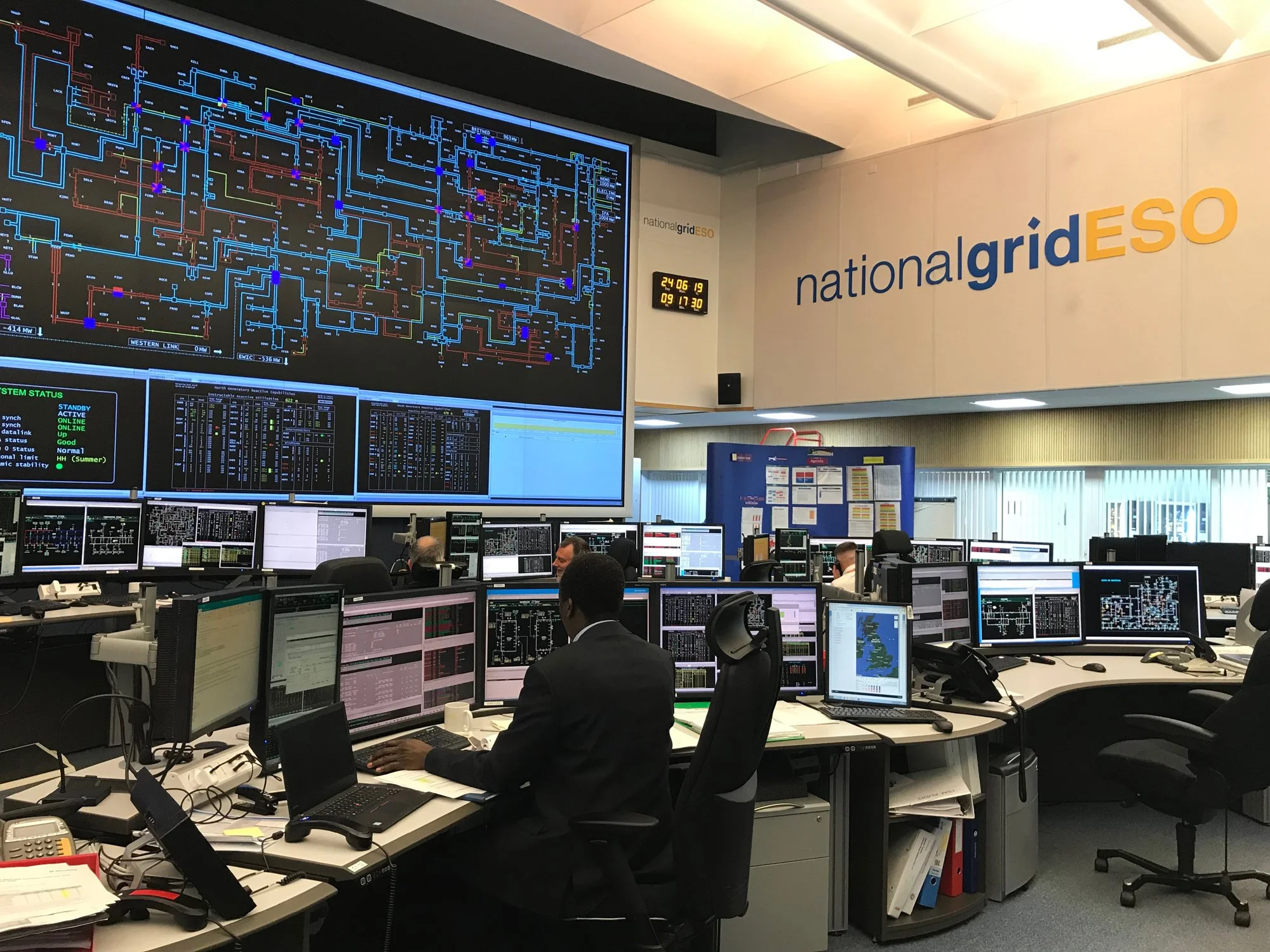
The U.S. power grid is often described as the largest machine ever built.
Stretching across thousands of miles of transmission lines and countless substations, it connects power plants to cities, factories, and households. But much of this infrastructure was built decades ago.
As electricity demand rises, the grid is showing signs of strain.
Energy companies are already planning major expansions to keep up with new demand from digital technology. Some utilities estimate that up to 30 gigawatts of additional capacity may be needed to support data centers and emerging technologies by the mid-2030s.
Meanwhile, operators are investing billions in upgrades to aging transmission systems. One recent project alone involves nearly $950 million in grid improvements across Ohio and Pennsylvania.
These upgrades are essential because the grid must handle not just new energy sources but also new patterns of electricity consumption.

Why Fusion Could Change Everything
If fusion becomes commercially viable, it could transform the energy landscape.
Unlike solar or wind power, fusion would produce constant baseload electricity—meaning it can generate power day and night without interruption.
This reliability could make fusion an ideal partner for renewable energy systems.
Imagine a future grid where:
-
Solar provides daytime electricity
-
Wind delivers power during strong weather systems
-
Fusion reactors run continuously to stabilize the system
Such a combination could drastically reduce global carbon emissions while maintaining reliable energy supplies.
However, integrating fusion into the grid will require significant planning.
Fusion plants will likely operate at very high output levels, meaning they will need strong transmission networks capable of carrying electricity across long distances.
Without those upgrades, even revolutionary energy technology could struggle to reach consumers.
The Rise of “Smart Grids”
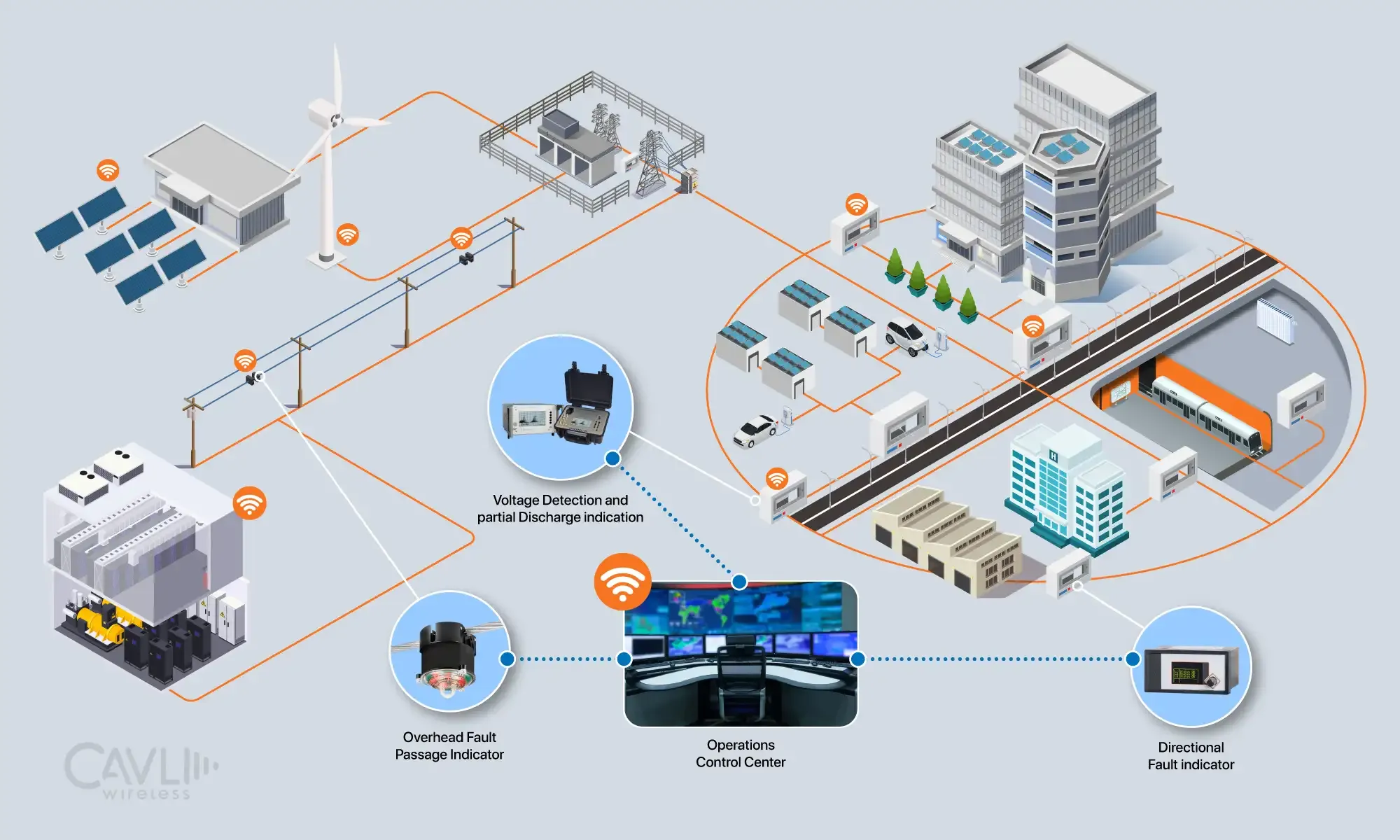
To prepare for future energy technologies, utilities are increasingly investing in smart grid systems.
A smart grid uses digital monitoring tools, artificial intelligence, and advanced sensors to manage electricity flow more efficiently.
Instead of operating as a one-way system where power flows from large plants to consumers, a smart grid can handle multiple energy sources simultaneously, including solar rooftops, battery storage, and future fusion plants.
This flexibility will be essential in a world where energy generation becomes more distributed.
Experts believe that a fully modernized grid will need three major improvements:
-
Stronger transmission networks
-
Large-scale energy storage systems
-
Digital grid management technology
These upgrades will allow the grid to adapt quickly to sudden changes in supply and demand.
The Economics of Zero-Emission Power
Another factor shaping the future grid is economics.
Fusion technology could eventually become a massive industry. Some analysts predict that the global fusion sector could grow to tens of billions of dollars by the 2030s, with much larger markets emerging later in the century.
But the initial cost of building fusion plants will likely be extremely high.
Advanced fission reactors face similar challenges. Even with new designs, nuclear projects often require large upfront investments and long construction timelines.
For the grid to benefit from these technologies, governments and private companies must coordinate funding, regulation, and infrastructure development.
The AI Energy Boom
One unexpected factor accelerating energy innovation is artificial intelligence.
AI systems require enormous computing power, which translates into massive electricity consumption.
Major technology companies are already signing long-term power agreements with nuclear facilities to secure reliable energy for data centers.
This surge in demand is forcing utilities to rethink the future of electricity generation.
Some experts believe that advanced nuclear technologies—including fusion—may be the only realistic way to supply the enormous energy needs of AI without increasing carbon emissions.
Potential Risks and Unknowns
Despite the excitement surrounding fusion and advanced nuclear technology, many uncertainties remain.
Commercial fusion plants have not yet been built, and engineering challenges still need to be solved.
Even if the science works, scaling it into reliable power plants could take years of testing and investment.
There are also regulatory challenges. Nuclear energy projects often face strict safety requirements and lengthy approval processes.
Another concern involves public perception. Nuclear technology still carries political and environmental debates that can influence policy decisions.
Why the Next Decade Matters
The coming decade could determine whether the United States becomes a global leader in advanced energy technology.
Several major projects are already underway, including experimental fusion reactors and pilot nuclear plants.
If even a few of these efforts succeed, they could open the door to an entirely new era of electricity generation.
But success will depend on more than just scientific breakthroughs.
It will also require:
-
Massive infrastructure investment
-
Updated energy regulations
-
Collaboration between government, industry, and research institutions
Without those pieces in place, the grid may struggle to keep up with the pace of innovation.
The Future Grid: A Hybrid Energy System
Looking ahead, most experts believe the future power grid will not rely on a single technology.
Instead, it will likely combine multiple sources:
-
Solar and wind energy
-
Advanced fission reactors
-
Large battery systems
-
Hydrogen power
-
Nuclear fusion
Together, these technologies could create a resilient and flexible system capable of powering modern civilization while dramatically reducing emissions.
Fusion may be the most exciting breakthrough, but the real transformation will happen when all these technologies work together within a modern grid.
Conclusion
The promise of zero-emission energy has never been closer to reality.
Scientific milestones in fusion research, combined with a resurgence in advanced nuclear fission, suggest that the next generation of power plants could reshape global energy systems.
Yet the real test lies beyond the laboratory.
The United States power grid—an immense and complex network—must evolve to handle the coming wave of innovation.
Upgrading transmission lines, deploying smart grid technologies, and expanding energy storage will be essential steps.
If those efforts succeed, the next breakthrough in energy science may not just change how electricity is produced.
It could redefine how modern civilization powers itself.
Frequently Asked Questions
What is the difference between nuclear fusion and nuclear fission?
Nuclear fission splits heavy atoms to release energy, while nuclear fusion combines light atoms. Fusion produces less radioactive waste and has no risk of runaway chain reactions.
Has fusion energy been achieved yet?
Scientists have achieved experimental fusion reactions that produce more energy than the input required, but commercial power plants have not yet been built.
When could fusion power reach the grid?
Some government roadmaps aim to introduce fusion electricity into the grid by the mid-2030s if technological progress continues.
Why does the power grid need upgrades?
New energy technologies, growing electricity demand, and the expansion of renewable power require stronger transmission networks and advanced grid management systems.
Will fusion replace renewable energy?
Most experts believe fusion will complement renewables rather than replace them, providing stable baseload power when solar or wind generation is low.
Editorial Disclaimer
This article is for informational and educational purposes based on publicly available scientific research, energy policy reports, and verified news coverage. Timelines for emerging technologies such as nuclear fusion remain subject to ongoing experimentation, regulatory review, and engineering developments.
Sources and References
https://www.energy.gov/articles/doe-national-laboratory-makes-history-achieving-fusion-ignition
https://world-nuclear-news.org/articles/usa-sets-out-roadmap-for-fusion-commercialisation
https://kleinmanenergy.upenn.edu/research/publications/bringing-fusion-energy-to-the-grid-challenges-and-pathways
https://www.eia.gov/todayinenergy/detail.php?id=67205
https://www.reuters.com/business/energy/us-approves-construction-gates-backed-terrapower-reactor-wyoming-2026-03-04/
https://www.reuters.com/business/energy/nextera-expects-add-up-30-gigawatts-power-data-centers-by-2035-2026-03-03/
https://www.reuters.com/business/energy/firstenergy-unit-invest-950-million-ohio-pennsylvania-grid-upgrades-2026-03-02/

