


Moon-Mania 2026: The Race to the Lunar South Pole—Why India, China, and the US Are Fighting for “Ice-Gold”
In 2026, the Moon is no longer just a distant rock hanging in the night sky. It is turning into the most valuable real estate in the solar system.
At the center of this modern space race is a frozen treasure hidden in eternal darkness—water ice. Scientists and space agencies call it the key to humanity’s future beyond Earth. Some experts even nickname it “Ice-Gold.”
Three major powers—India, China, and the United States—are racing toward the Moon’s south pole, where this precious resource is believed to be trapped inside shadowed craters. Whoever masters it first could shape the future of space travel, lunar bases, and even missions to Mars.
Why the Lunar South Pole Matters
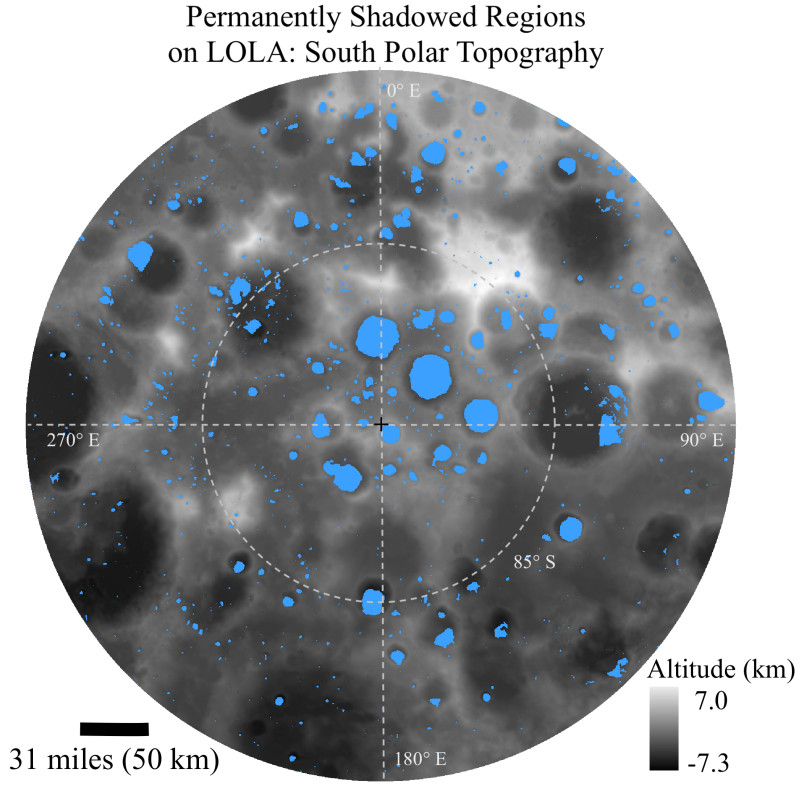
Unlike the Moon’s bright equatorial regions, the poles are strange and extreme. Some craters never see sunlight. Temperatures there plunge so low that ice can survive for billions of years.
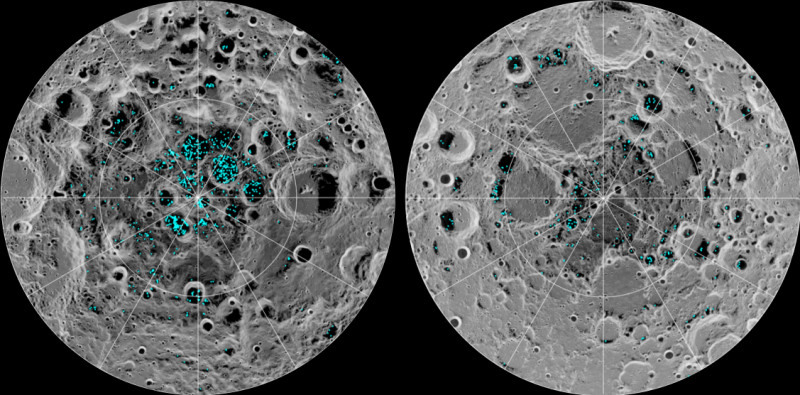
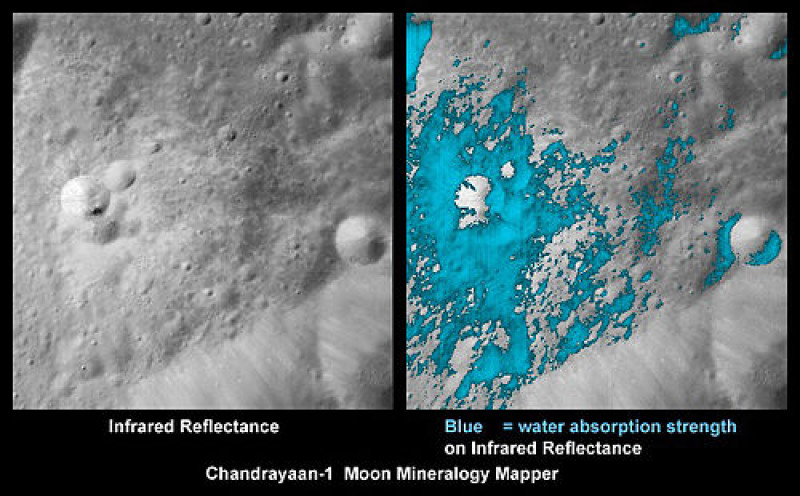
Scientists have confirmed that water exists on the Moon in different forms, especially in polar regions. It likely arrived through comets, micrometeorites, and solar wind interactions with lunar dust.
But this isn’t just about drinking water.
Moon water means:
-
Oxygen for astronauts to breathe
-
Hydrogen and oxygen for rocket fuel
-
Life support for long-term lunar bases
-
A stepping stone for deep-space missions
In space terms, water is not just survival—it is power.
India’s Moon Ambition: From Chandrayaan to Lunar Leadership
India shocked the world in 2023 by landing a spacecraft near the Moon’s south pole, a first in history. That mission proved India could reach one of the toughest regions in space.
Since then, the country has been planning future missions to study polar terrain, resources, and long-term exploration goals. India’s space agency is also working on crewed missions and deep-space programs, signaling a bigger role in the global space race.
For India, the Moon is more than science. It is a symbol of technological rise and global influence.
China’s Big Push: Mapping the Ice
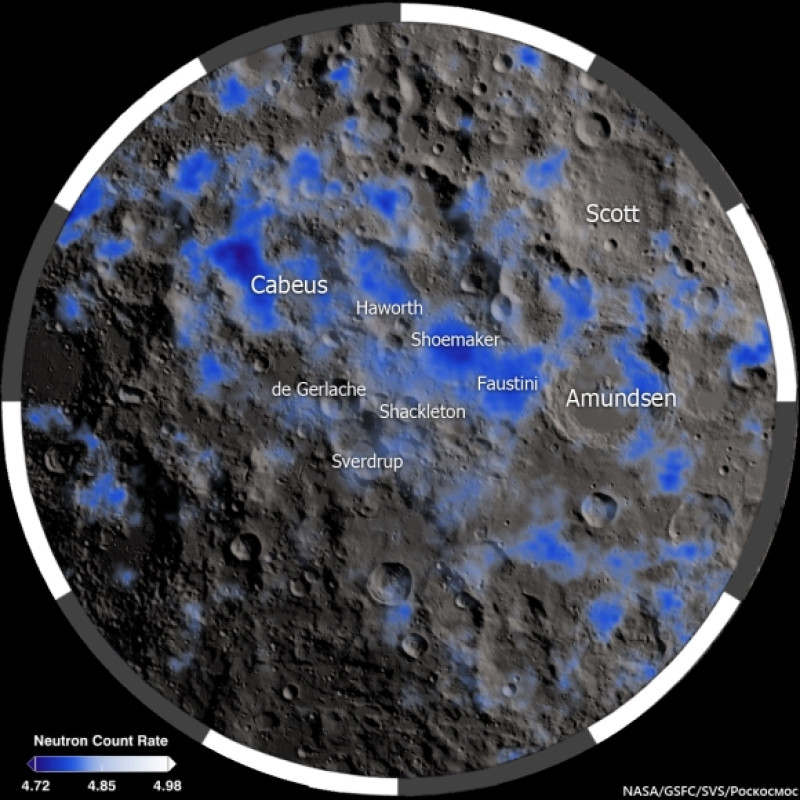
China is moving aggressively toward the lunar south pole. In 2026, its Chang’e-7 mission is expected to head directly to this icy region with a lander, rover, and even a hopping probe to explore shadowed craters.
The goal is clear: find and study water ice in detail.
Chinese scientists warn that lunar water behaves differently than Earth’s water. It is frozen inside soil and held in place by extreme cold and vacuum. Even touching it incorrectly could make it evaporate instantly.
China’s long-term plan includes building a lunar research station near the pole in the 2030s. If successful, it could become a permanent human foothold beyond Earth.
The United States and Artemis: Back to the Moon
The US is also returning to the Moon with the Artemis program. In 2026, astronauts are expected to travel around the Moon, with future missions aiming to land near the south pole.
NASA sees polar ice as the backbone of sustainable space exploration. The idea is to mine water, create fuel on the Moon, and launch spacecraft deeper into space without carrying everything from Earth.
This strategy could make space travel cheaper and more frequent, transforming humanity into a multi-planet species.
Why Water Is Called “Ice-Gold”
On Earth, water is common. In space, it is priceless.
Transporting water from Earth to space costs enormous amounts of money. Finding it on the Moon changes everything.
If water can be mined locally:
-
Rockets can refuel in space
-
Missions to Mars become easier
-
Permanent lunar cities become realistic
In the future, water could become the fuel that powers a space economy worth trillions.
That is why nations are treating lunar ice like gold.
A New Space Race—But With Higher Stakes
The original space race of the 20th century was about flags and prestige. This one is about survival, technology, and power.
The Moon’s south pole is limited in area. Only a few spots receive continuous sunlight for solar power while sitting near icy craters. These “peaks of eternal light” could become the most valuable locations off Earth.
Experts warn that without clear international rules, competition could turn into conflict. Space law is still developing, and resource ownership remains a gray area.
The Hidden Challenges of Lunar Ice
Finding water is only the first step. Using it is much harder.
Scientists say lunar ice is mixed with soil and locked in extreme conditions. Mining it will require new technology, robots, and careful handling to prevent loss.
The environment is harsh:
-
Extreme cold
-
Sharp terrain
-
Radiation exposure
-
Communication delays
Still, nations are willing to take the risk because the reward is enormous.
What Happens Next After 2026
2026 could be remembered as the year the Moon became humanity’s next frontier.
Future missions will likely:
-
Build research stations near the poles
-
Test water extraction technology
-
Send astronauts for long stays
-
Prepare for Mars missions using lunar fuel
The Moon may become the gas station and training ground for deep-space travel.
FAQs
What is the lunar south pole?
It is one of the Moon’s polar regions, known for permanently shadowed craters that can trap ice for billions of years.
Why is water on the Moon important?
Water can be used for drinking, oxygen, and rocket fuel. It makes long-term space exploration possible.
Who is racing to the Moon’s south pole?
Major players include India, China, and the United States, along with private companies and international partners.
Is there really ice on the Moon?
Yes. Scientists have confirmed water in multiple forms, especially in polar regions, though its exact distribution is still
being studied.
Could this lead to conflicts in space?
Some experts worry competition for lunar resources could create tensions if international laws are unclear.
Final Thoughts
The Moon is no longer just a symbol of romance and mystery. In 2026, it is becoming a battleground for science, technology, and global influence.
Whoever controls the ice could control the future of space.
The next giant leap for humanity may begin in the cold, dark craters of the Moon’s south pole.
References / Source Proof
(For transparency and Google News credibility)
-
India Today – “Why 2026 is the year of the Moon”
-
Space.com – “China’s Chang’e-7 mission to search for lunar water ice”
-
NASA Science – Moon Water and Ices overview
-
AP News – India’s historic south pole landing (Chandrayaan-3)
-
Astronomy.com – Major space events expected in 2026
-
Open Lunar and space research reports on lunar exploration timelines