



The Baghdad Battery: A Tiny Jar That Shook the History of Science
Imagine discovering a small clay jar buried in the sands of ancient Mesopotamia—only to realize it might have produced electricity thousands of years before Benjamin Franklin, Nikola Tesla, or Thomas Edison were even born.
That is the story of the Baghdad Battery, one of the most puzzling archaeological finds ever uncovered. For decades, it has sparked fierce debates, conspiracy theories, scientific experiments, and endless fascination among historians and science lovers alike.
But was it truly an ancient power source—or just a misunderstood relic?
Let’s dive into the mystery.
The Discovery That Sparked a Global Shock
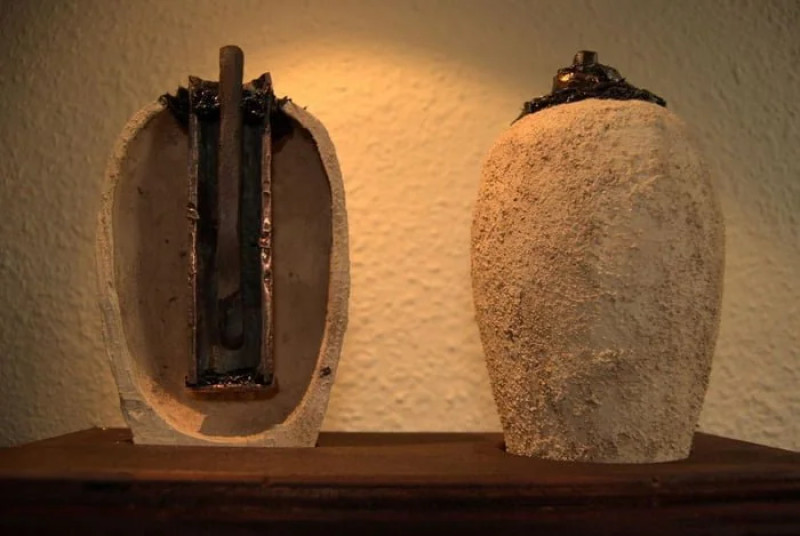
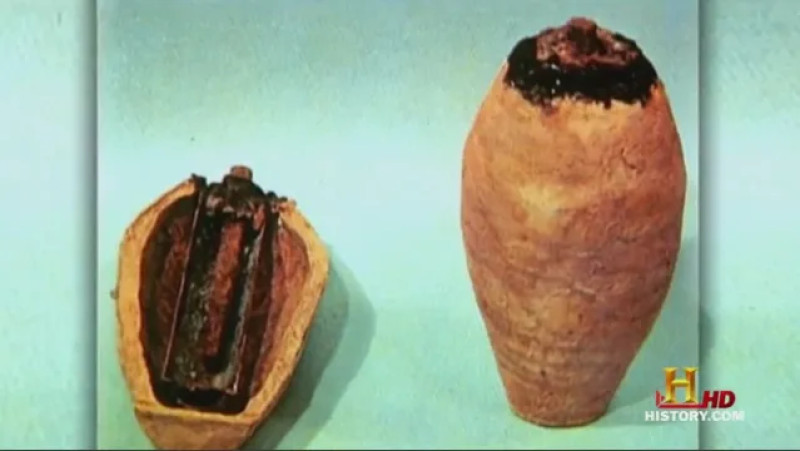
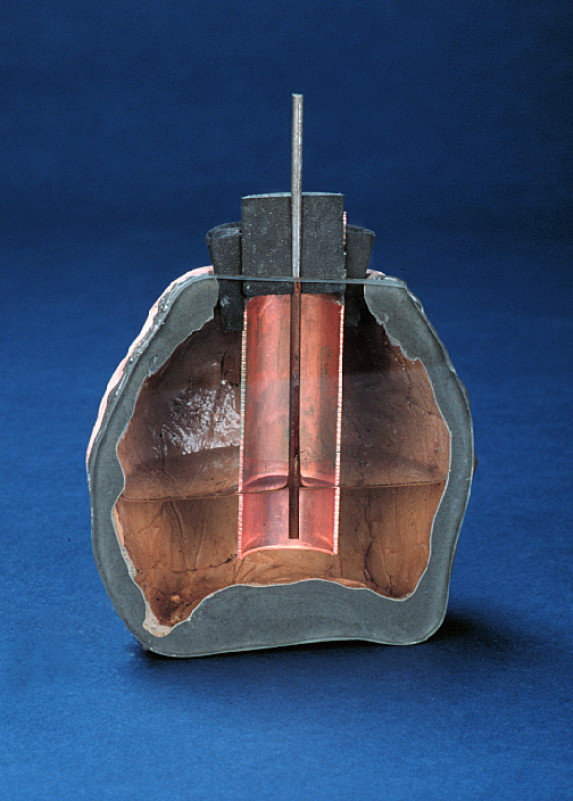
In 1936, archaeologists excavating near Khujut Rabu, close to modern-day Baghdad, uncovered a strange object. It was a simple clay jar, roughly 13–15 centimeters tall, with a copper cylinder inside and an iron rod sealed with bitumen (a natural asphalt).
The artifact dates back to the Parthian or early Sasanian period (around 250 BCE to 250 CE), a time when Mesopotamia was a thriving center of trade, culture, and innovation.
It didn’t look impressive. But when Austrian archaeologist Wilhelm König studied it in the 1930s, he noticed something unusual: the materials looked eerily similar to a basic electrochemical cell.
That observation changed everything.
Could It Really Produce Electricity?
König proposed a bold idea in 1938:
What if the jar was a primitive battery?
The design was surprisingly close to a modern galvanic cell. If filled with an acidic liquid like vinegar or wine, the copper and iron could create a small electrical charge.
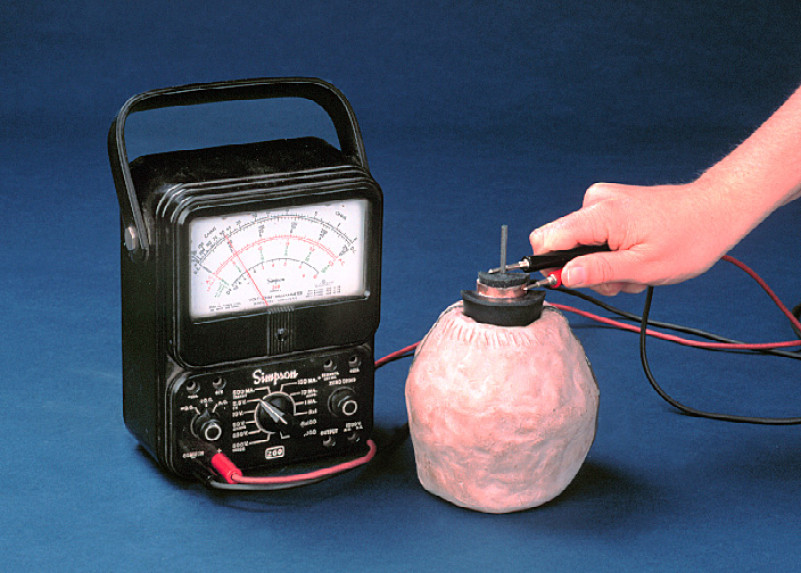
Later experiments supported this possibility. Scientists and engineers built replicas and managed to generate small voltages using grape juice, lemon juice, or vinegar. Some even managed to electroplate metals using multiple jars connected together.
Even popular science shows tested it. When several replicas were connected, they produced a few volts—enough to prove the concept.
On paper, it looked like ancient electricity was real.
So Why Are Scientists Skeptical?
Here’s where the story becomes complicated.
Despite the exciting experiments, most archaeologists strongly reject the battery theory.
1. No Wires, No Circuit
There is no evidence that ancient people connected these jars together. Without wires or connections, producing useful electricity would have been impossible.
2. No Electroplated Artifacts Found
König believed ancient people used electricity to plate gold onto objects. But modern research shows those items were gilded using traditional mercury techniques, not electricity.
3. No Texts or Records
Ancient Mesopotamia left behind thousands of clay tablets describing science, medicine, and engineering. None mention electricity or devices like batteries.
4. Alternative Explanations Exist
Many experts believe the jars were simply containers for scrolls, sacred objects, or magical spells. Similar jars were found with incantation bowls and ritual artifacts, suggesting a religious purpose.
One archaeologist famously said that no serious expert believes they were batteries.
The Mystery That Refuses to Die
Despite skepticism, the Baghdad Battery continues to captivate people worldwide.
Why?
Because it challenges everything we think we know about ancient knowledge.
The Parthians and Babylonians were skilled engineers. They built aqueducts, complex architecture, advanced metallurgy, and medical systems. So the idea that they stumbled upon basic electrochemistry is not entirely impossible.
But “possible” doesn’t mean “proven.”
What Happened to the Original Baghdad Battery?
Adding to the mystery, the original artifact’s current whereabouts are unclear. Some reports suggest it was lost or destroyed during the chaos following the 2003 Iraq invasion, when many museum artifacts disappeared.
That means researchers must rely on replicas, photos, and old records to study it.
Why the Baghdad Battery Still Matters
Whether it was a battery or not, this small jar tells a powerful story.
It reminds us that history is full of surprises. Sometimes, objects that look ordinary force us to rethink human progress.
The Baghdad Battery also shows how science works. Bold ideas are tested, challenged, and refined. Myths meet evidence. Imagination meets archaeology.
And sometimes, mysteries remain.
The Fine Line Between Science and Speculation
The Baghdad Battery is often linked to theories about ancient advanced civilizations, lost technologies, or even extraterrestrial influence.
But experts caution against jumping to conclusions.
There is no proof that ancient Mesopotamians used electricity in daily life. The jar’s design could be coincidental, and many ordinary objects can function as batteries if filled with acidic liquid—even potatoes.
So while the idea is thrilling, it remains speculation.
FAQs About the Baghdad Battery
What is the Baghdad Battery?
The Baghdad Battery is a clay jar containing a copper cylinder and iron rod, discovered near Baghdad and dating back about 2,000 years.
Did ancient people really use electricity?
There is no solid evidence they used electricity practically. Experiments show it could work as a battery, but historians reject that it was used that way.
Why do people think it was a battery?
Its design resembles a basic electrochemical cell, and replicas can generate small electrical currents when filled with acidic liquid.
What do archaeologists think it was used for?
Most experts believe it was a storage vessel for scrolls, liquids, or magical items rather than a power source.
Is the Baghdad Battery still available for study?
The original artifact’s location is uncertain, possibly lost or damaged during conflicts, so scientists rely on replicas and historical records.
Final Thoughts: A Jar That Electrified the World
The Baghdad Battery is more than just an artifact. It is a symbol of curiosity, imagination, and the human desire to rewrite history.
Whether it was an ancient power cell or a ritual container, its legacy is undeniable. It sparked global debates, inspired experiments, and fueled the idea that our ancestors might have been far more advanced than we assume.
And perhaps that’s the real power of the Baghdad Battery—not electricity, but inspiration.
References & Source Links
-
Wikipedia – Baghdad Battery overview and archaeological consensus
https://en.wikipedia.org/wiki/Baghdad_Battery -
University of Houston – History of Baghdad Batteries
https://engines.egr.uh.edu/episode/1972 -
Interesting Engineering – Analysis of the artifact and hypotheses
https://interestingengineering.com/culture/ancient-energy-baghdad-battery -
NDTV Feature on archaeological mysteries
https://www.ndtv.com/feature/from-baghdad-battery-to-antikythera-mechanism-here-are-10-mysterious-archaeological-discoveries-9323851