


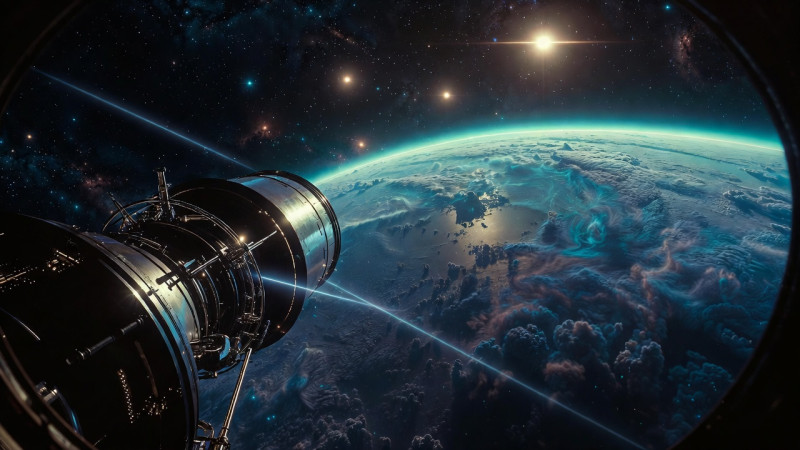
Something remarkable is unfolding in space right now.
In January 2026, NASA launched a small but powerful space telescope named Pandora. Unlike massive observatories like James Webb, Pandora is designed for one clear purpose: to study alien atmospheres in extreme detail and search for possible hints of life.
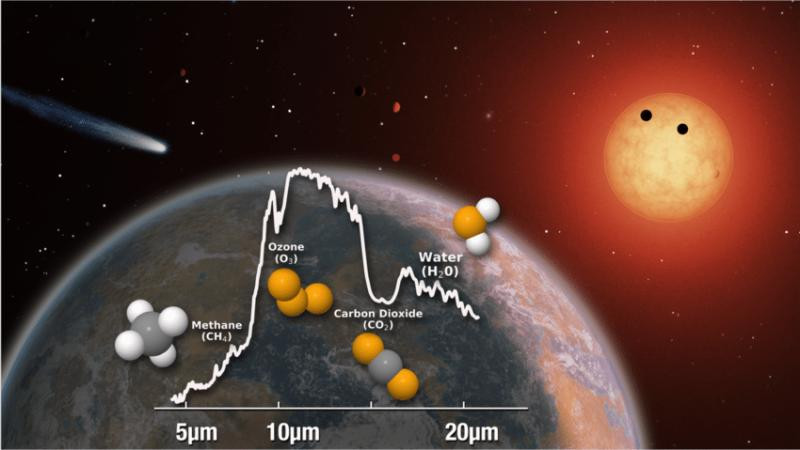
Scientists call those hints biosignatures—chemical signs in a planet’s air that could suggest living organisms.
And while Pandora is still early in its mission, researchers already have a shortlist of intriguing worlds that could rewrite everything we know about life beyond Earth.
Let’s explore three planets that scientists are watching closely—and why the excitement is growing fast.
What Is NASA’s Pandora Mission?
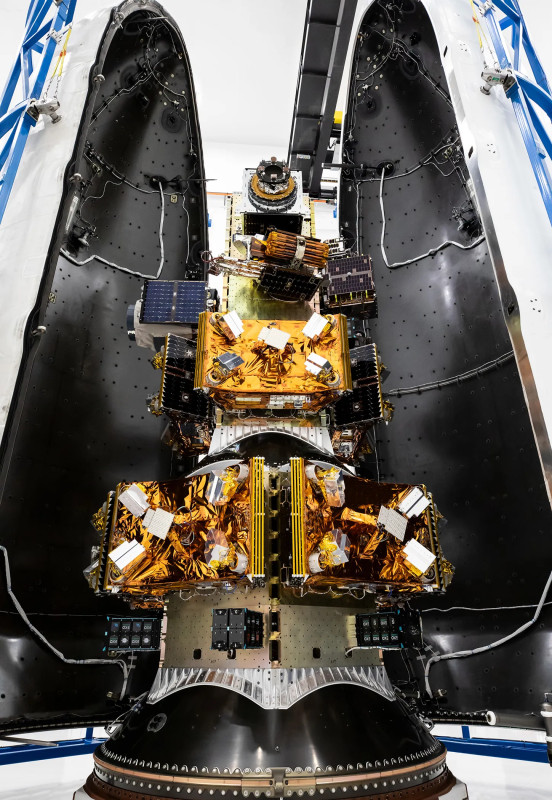
Pandora is a compact space telescope launched on January 11, 2026, aboard a SpaceX Falcon 9 rocket. Its job is simple but ambitious:
Study the atmospheres of at least 20 known exoplanets and separate planetary signals from their noisy host stars.
That sounds technical, but it’s a huge deal.
When astronomers look at distant planets, the star’s light can trick instruments, making it hard to know whether a molecule belongs to the planet or the star. Pandora is built to solve that problem by observing planets and their stars at the same time, in visible and infrared light.
This will help scientists detect molecules like water vapor, methane, carbon dioxide, and hydrogen—key ingredients linked to habitability and possible life.
The 3 Alien Worlds Scientists Are Watching Closely
Pandora will study many planets, but a few stand out as prime candidates for biosignature research. Here are three of the most exciting ones.
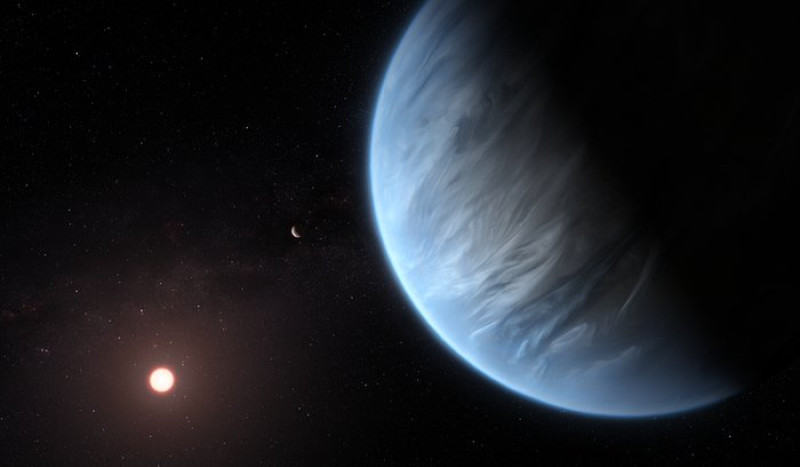
1. K2-18b – The Ocean World Candidate
K2-18b has already made headlines. It is a “mini-Neptune” located about 120 light-years away in the constellation Leo.
Why scientists care:
-
It sits in the habitable zone, where liquid water could exist.
-
Previous observations detected water vapor and methane in its atmosphere.
-
Some studies even hinted at dimethyl sulfide (DMS), a gas linked to biological activity on Earth.
Pandora will focus on refining these detections. Its long, steady observations could confirm whether these molecules are real or just stellar noise.
If Pandora confirms water-rich clouds or organic molecules here, K2-18b could become one of the strongest candidates for a living world beyond our solar system.

2. WASP-96b – The Cloudy Gas Giant with Water
WASP-96b is a hot gas giant, not a rocky Earth-like world. But it is still crucial for life research.
Why? Because studying gas giants teaches scientists how atmospheres behave, which helps them interpret smaller planets later.
This planet has already shown clear water vapor signals, and Pandora will examine its clouds and hazes in detail. Understanding how clouds distort signals will help scientists avoid false biosignatures on Earth-like planets.
In simple terms, WASP-96b is a training ground for finding real alien life elsewhere.
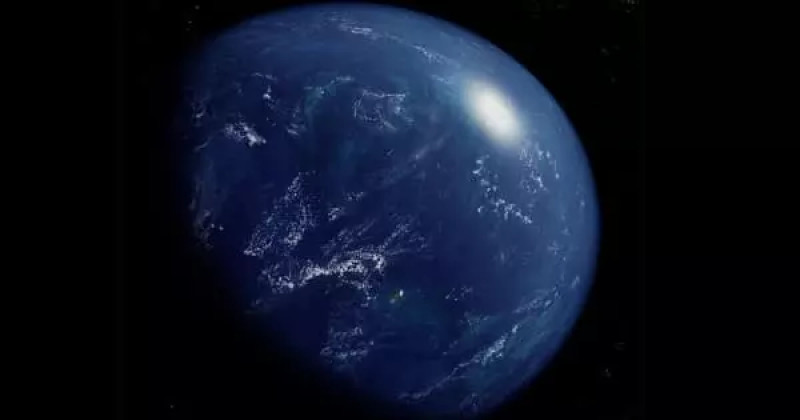
3. GJ 1214b – The Mystery Super-Earth
GJ 1214b is one of the most puzzling exoplanets ever discovered. It’s larger than Earth but smaller than Neptune—a category known as a “super-Earth.”
Scientists don’t know if it’s a water world, a mini gas giant, or something entirely different.
Pandora will study its atmosphere repeatedly to detect:
-
Water vapor
-
Hydrogen-rich clouds
-
Thick hazes that hide deeper layers
If Pandora finds a water-rich atmosphere here, GJ 1214b could be a candidate for future missions focused on searching for direct signs of life.
Why Pandora Matters More Than You Think
Pandora isn’t just hunting aliens. It’s solving one of the biggest problems in exoplanet science: stellar contamination.
Stars are messy. They have spots, flares, and bright regions that can mimic chemical signals from planets. Pandora’s dual-wavelength observations will help scientists separate star noise from planetary data.
This means future discoveries of life-related molecules will be far more reliable.
Pandora will also help decide which planets are worth studying with powerful telescopes like James Webb and future missions planned for the 2030s and beyond.
What Counts as a Biosignature?
A biosignature is not a single molecule. Scientists look for combinations of gases that are hard to explain without biology.
Key examples include:
-
Oxygen and methane together
-
Water vapor plus organic molecules
-
Carbon dioxide patterns that suggest biological cycles
Pandora’s job is not to declare alien life. Its job is to identify planets where these chemical fingerprints look promising.
Could Pandora Confirm Alien Life?
Short answer: Not directly.
Pandora can find hints, not proof. Confirming life would require multiple missions, direct imaging, and maybe even future probes.
But Pandora is a critical step. It is narrowing the search from thousands of planets to a handful of truly intriguing worlds.
Think of it as a cosmic detective, filtering out false clues and highlighting real suspects.
The Bigger Picture: A Golden Age of Alien Planet Science
Pandora is part of a new wave of missions focused on alien worlds.
In the next decades, missions like the Nancy Grace Roman Space Telescope and the Habitable Worlds Observatory will build on Pandora’s findings.
Pandora’s data will help scientists choose the best targets—worlds that might actually host oceans, clouds, and maybe life.
Why This Story Matters Right Now
For decades, the idea of finding life beyond Earth felt like science fiction. Now, it’s a scientific roadmap with real missions and real data.
Pandora’s launch in 2026 marks a turning point. Instead of just discovering planets, humanity is now studying their atmospheres in detail and hunting for life-related chemistry.
Even if Pandora doesn’t find a clear biosignature, it will bring us closer than ever before.
And if it does find something strange and persistent?
That could be one of the biggest discoveries in human history.
FAQs
What is the Pandora mission?
Pandora is a NASA space telescope launched in 2026 to study exoplanet atmospheres and their host stars, focusing on chemical signatures that could hint at habitability.
Is Pandora searching for aliens?
Indirectly. It searches for chemical signs linked to life, but it cannot confirm living organisms on its own.
How many planets will Pandora study?
Pandora is expected to study at least 20 exoplanets during its primary mission.
What makes Pandora different from James Webb?
Pandora focuses on long-term monitoring of specific planets and stars to separate stellar noise from planetary signals, something large telescopes can’t do as often.
Could Pandora find a habitable planet?
It may identify promising candidates, but confirming habitability will require future missions and deeper analysis.
Final Thoughts
The search for life beyond Earth is no longer just about telescopes scanning the sky. It is now about detailed chemistry, careful observation, and eliminating false signals.
Pandora is a small satellite with a massive mission: help humanity answer the oldest question of all—are we alone?
As it stares at distant worlds, every spectrum it records brings us one step closer to an answer that could change everything.
References / Proof of Source
-
NASA Science Mission Page – Pandora Mission Overview
-
NASA Goddard Space Flight Center mission updates (January 2026 launch)
-
University of Arizona and Cornell University press releases on Pandora
-
Space.com coverage of Pandora launch
-
Peer-reviewed mission concept papers and NASA Astrophysics Pioneers Program documentation