.png)
.png)
.png)
.png)
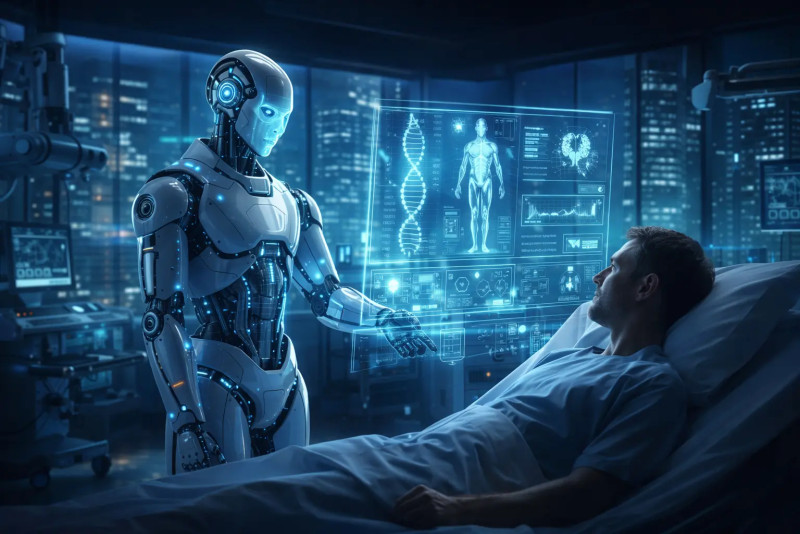
What If Human Doctors Were Replaced by Agentic AI by 2030?
Artificial intelligence is moving into almost every part of modern life. From customer service chatbots to autonomous vehicles, machines are learning to perform tasks that once required human intelligence. Healthcare is now one of the industries experiencing the fastest transformation.
Hospitals already use artificial intelligence to analyze medical scans, detect early signs of disease, and process enormous amounts of patient data. Some of these systems can review thousands of medical images in minutes, something that would take human specialists many hours.
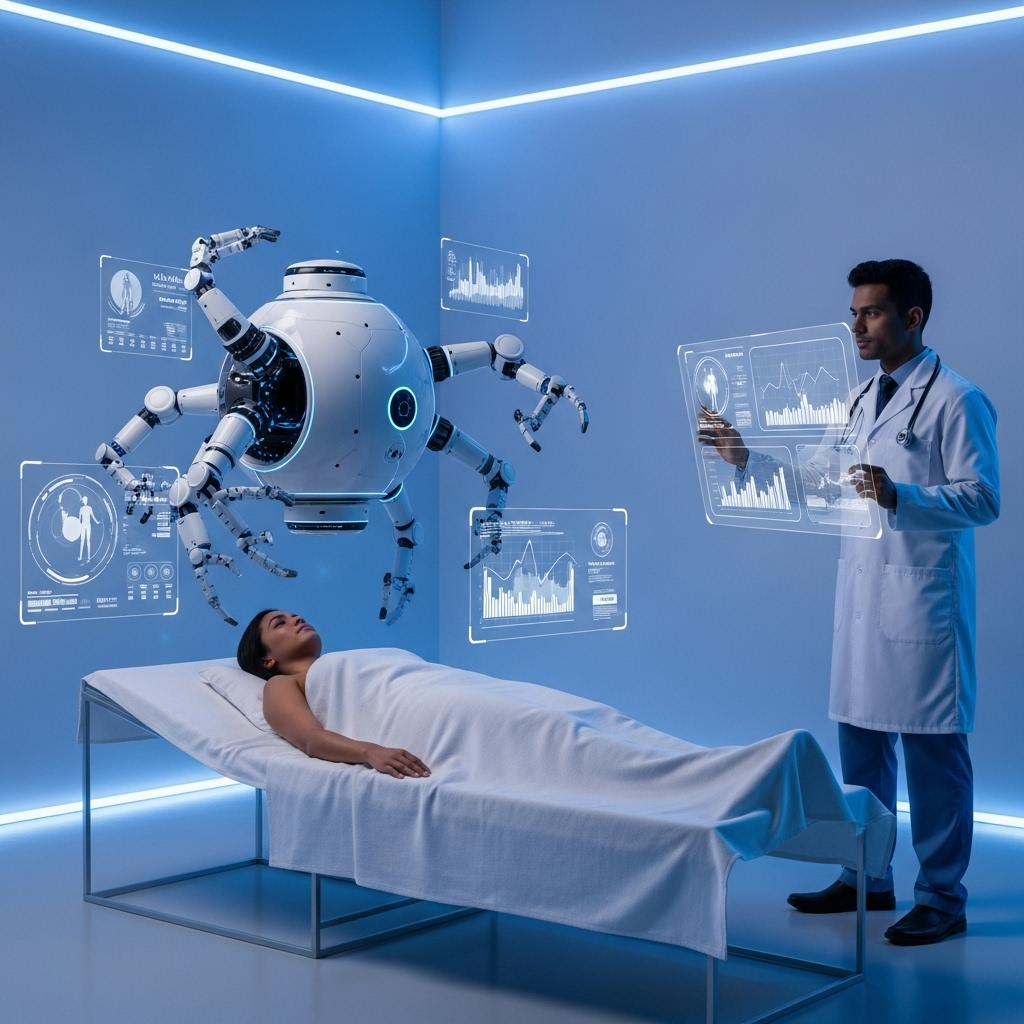
But a more controversial idea is beginning to circulate among researchers and technology leaders. What if artificial intelligence did not simply assist doctors, but replaced them?
The idea of a hospital run almost entirely by intelligent machines may sound extreme, but the technology that could make it possible is already being developed. It is known as agentic AI, a new generation of artificial intelligence systems capable of making decisions, planning actions, and interacting with the world with minimal human supervision.
If these systems continue improving at their current pace, some experts believe healthcare could look very different by the year 2030.
The Rise of Agentic AI in Healthcare
Traditional AI tools perform narrow tasks. For example, one algorithm might detect tumors in an X-ray, while another predicts the likelihood of heart disease using patient data.
Agentic AI works differently. Instead of performing a single task, it can analyze information, decide what actions to take, and coordinate with other systems to achieve a goal.
In healthcare, this could mean a digital system that monitors patients, analyzes symptoms, orders diagnostic tests, and recommends treatments without direct human involvement.
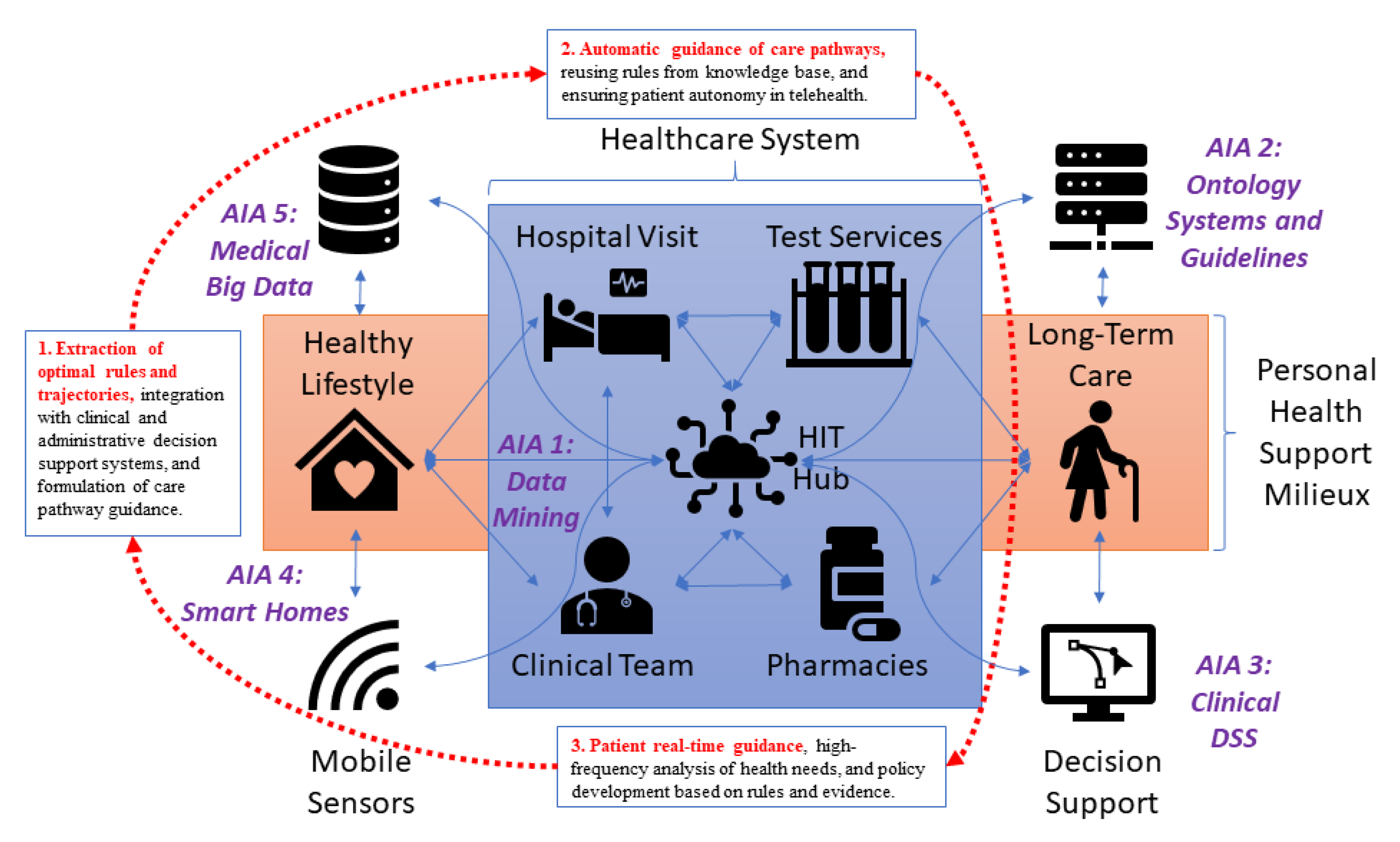
Researchers are already experimenting with systems that combine medical records, wearable sensor data, and health monitoring devices. These systems can track heart rate, sleep patterns, and physical activity in real time, potentially identifying health problems before symptoms appear.
If such systems become more advanced, they could function as autonomous medical assistants capable of supporting millions of patients simultaneously.

Why Some Experts Believe AI Doctors Are Possible
Several global trends are encouraging the development of automated healthcare systems.
One major issue is the worldwide shortage of trained doctors. Many rural areas and developing regions struggle to provide enough medical professionals for growing populations. Artificial intelligence could provide remote consultations and medical guidance where doctors are scarce.
Another factor is the explosion of medical data. Modern medicine produces enormous amounts of information from genetic testing, imaging scans, laboratory results, and electronic medical records. Artificial intelligence systems are particularly good at processing large datasets and identifying patterns that humans might miss.
Healthcare costs are also rising in many countries. AI systems promise faster diagnostics and more efficient hospital management, which could reduce expenses for both patients and healthcare providers.
Some technology leaders have suggested that advanced AI systems may eventually deliver high-quality healthcare advice at scale, potentially transforming how people access medical care.
The Potential Benefits of AI-Driven Healthcare
Supporters of medical AI believe it could dramatically improve healthcare outcomes if used correctly.
One major advantage is earlier disease detection. Machine learning systems can analyze medical images with incredible precision. In some cases, they can identify subtle patterns associated with diseases such as cancer long before symptoms appear.
Artificial intelligence also has the potential to personalize treatment plans. By analyzing vast medical databases, AI systems could recommend treatments based on a patient’s genetics, medical history, lifestyle, and environmental factors.
Continuous health monitoring is another promising development. Wearable devices already track heart rate, activity levels, and sleep quality. When connected to intelligent systems, these devices could alert doctors or emergency services when unusual health patterns are detected.
Artificial intelligence is also accelerating drug discovery. Researchers are using AI to identify promising compounds and simulate how new drugs might interact with the human body, significantly reducing the time required to develop new medicines.
These advances could lead to faster treatments, better diagnoses, and improved long-term health outcomes.
The Human Side of Medicine
Despite these technological advances, healthcare is not purely a scientific process. It also involves human connection.
Patients often seek reassurance and emotional support when they face serious illnesses. Doctors listen to fears, answer difficult questions, and guide families through complex decisions.
Artificial intelligence systems can simulate conversational empathy. They may recognize emotional language and respond with supportive messages.
However, simulated empathy is not the same as genuine human understanding. Many healthcare professionals argue that the relationship between doctor and patient is a crucial part of effective treatment.
In areas such as mental health care, palliative care, and chronic illness management, trust and emotional connection can play a significant role in recovery.
Replacing those relationships with automated systems raises important ethical questions about the future of medical care.
Concerns About AI Therapists
The use of artificial intelligence in mental health support has already become widespread. Millions of people interact with digital therapy tools and emotional support chatbots.
While these tools can provide helpful guidance, experts have warned about potential risks.
Artificial intelligence systems do not truly understand human emotions. They generate responses based on patterns learned from large datasets. In sensitive situations, this can sometimes produce misleading or inappropriate advice.
Mental health professionals emphasize that AI tools should not replace trained therapists, particularly when dealing with severe depression, trauma, or crisis situations.
The growing use of AI therapy platforms has therefore sparked an ongoing debate about safety, accountability, and the limits of automated psychological care.

Ethical Questions Around AI Doctors
Replacing human doctors with autonomous AI would raise several complex ethical challenges.
One of the most significant questions involves responsibility. Medical decisions can have life-or-death consequences. If an AI system makes a mistake, determining who is responsible becomes complicated.
Another issue involves bias in medical data. Artificial intelligence systems learn from historical datasets. If those datasets contain biases related to race, gender, or socioeconomic status, the AI could unintentionally reproduce those inequalities in its recommendations.
Transparency is also a major concern. Some advanced AI models operate as complex systems that are difficult to interpret. In healthcare, doctors and patients often need clear explanations for medical decisions.
Without transparency, trust in AI-driven healthcare could be difficult to maintain.
The Technical Limits of AI Medicine
Although artificial intelligence has made remarkable progress, it still faces limitations.
Medical cases are often complicated and unpredictable. Patients may have multiple conditions, unusual symptoms, or unexpected reactions to medications.
Human doctors rely not only on medical knowledge but also on experience, intuition, and careful judgment built over years of practice.
Artificial intelligence systems can process data quickly, but they may struggle when situations fall outside the patterns they were trained to recognize.
For this reason, most healthcare researchers believe human oversight will remain essential for the foreseeable future.

A Future of Collaboration Rather Than Replacement
Many experts believe the most realistic future for healthcare will involve collaboration between humans and machines rather than full automation.
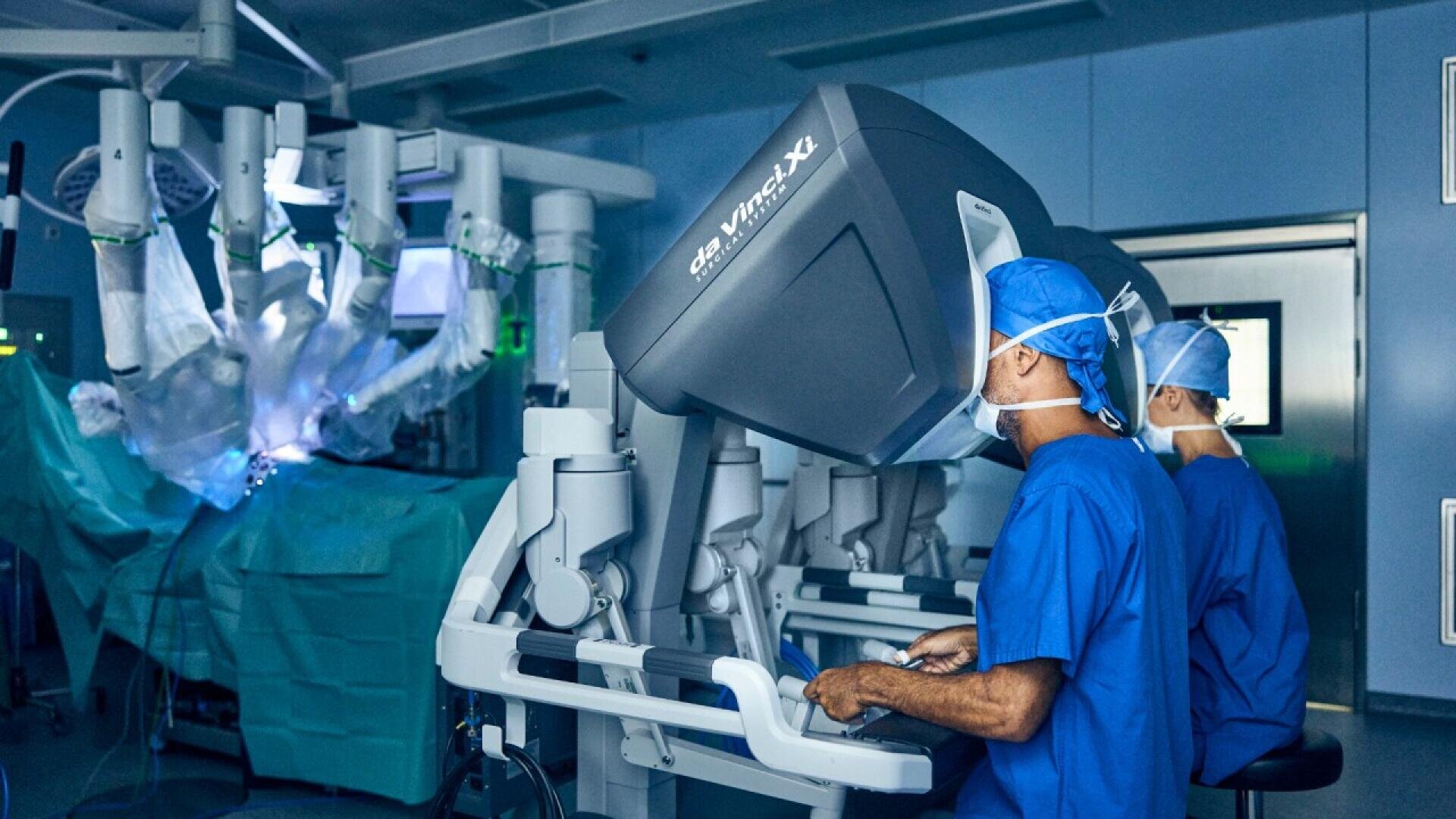
Artificial intelligence could handle tasks such as analyzing medical data, reviewing imaging scans, and monitoring patient health metrics.
Doctors would then interpret these insights, communicate with patients, and make final treatment decisions.
This partnership could allow physicians to spend less time on administrative work and more time interacting with patients.
Instead of replacing doctors, AI may become one of the most powerful tools in modern medicine.
Why the Debate Is Growing
Public interest in AI healthcare has increased rapidly in recent years. Hospitals are adopting new technologies, technology companies are investing heavily in medical AI, and governments are exploring ways to regulate these systems.
The conversation about replacing doctors entirely remains speculative, but the pace of technological change has made the idea worth discussing.
As artificial intelligence becomes more capable, societies around the world will need to decide how much responsibility machines should have in caring for human health.
Scientific Disclaimer
The scenario discussed in this article, where all human doctors are replaced by agentic AI by 2030, is a hypothetical exploration of emerging technology trends. Current research suggests that artificial intelligence will most likely support and assist human doctors rather than fully replace them. The purpose of this discussion is to examine the ethical, technological, and societal questions surrounding artificial intelligence in healthcare.

FAQs
What is agentic AI?
Agentic AI refers to artificial intelligence systems capable of making decisions, planning actions, and operating with a degree of autonomy.
Is AI already used in hospitals?
Yes. Hospitals currently use artificial intelligence for tasks such as analyzing medical images, predicting disease risks, and managing patient records.
Can AI diagnose diseases accurately?
In some areas such as radiology, AI systems can analyze images with high accuracy. However, human doctors are still required to interpret results and confirm diagnoses.
Could AI replace therapists?
Mental health professionals caution that AI therapy tools should only supplement human care and should not replace trained therapists.
Will doctors disappear in the future?
Most experts believe doctors will continue to play a central role in healthcare, working alongside artificial intelligence systems.
Sources and References
https://www.frontiersin.org/articles/10.3389/fmed.2025.1753443
https://www.sciencedirect.com/science/article/pii/S2949953425000141
https://www.nature.com/articles/s41746-026-02453-4
https://pmc.ncbi.nlm.nih.gov/articles/PMC12897247
https://www.kellton.com/kellton-tech-blog/agentic-ai-healthcare-trends-2026