Imagine waking up one morning and discovering that getting out of bed feels like lifting a heavy weight. Walking to the kitchen becomes exhausting, jumping is almost impossible, and even carrying a backpack feels like carrying two.
Nothing has changed about your body overnight. The problem is that Earth’s gravity has suddenly doubled.
Gravity keeps us anchored to the ground, holds the atmosphere around our planet and determines how objects fall. If it suddenly became twice as strong, everyday life would change dramatically. But would humans survive, and could buildings, trees, birds and aircraft cope with the extra force?
Your Body Would Suddenly Feel Twice as Heavy
On Earth, gravity accelerates objects downward at approximately 9.8 metres per second squared. If it doubled, that acceleration would rise to about 19.6 metres per second squared.
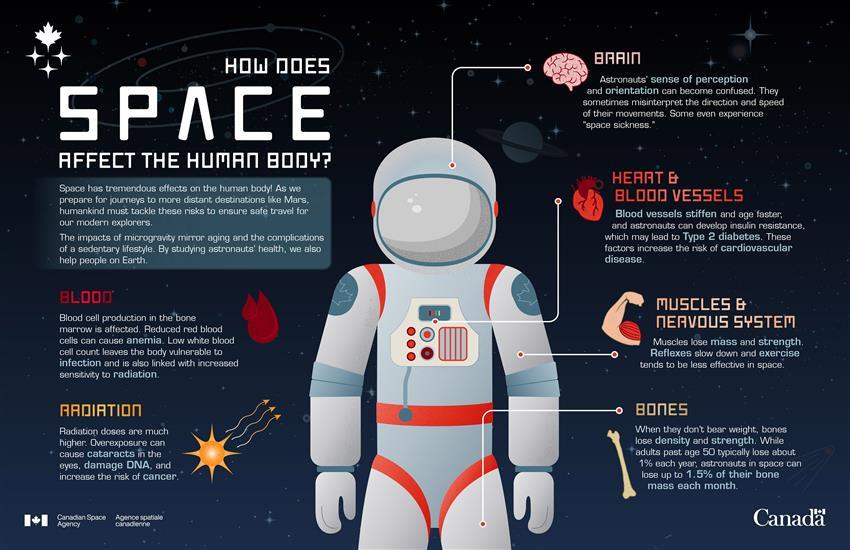
Your mass would remain exactly the same, but your weight would double. A person who weighs 70 kilograms on a scale would exert roughly the same force as a 140-kilogram person does today.
Standing up, climbing stairs and walking would require considerably more muscular effort. Joints, bones and the muscles responsible for maintaining posture would experience greater mechanical loads.
Jumping would become much harder, and falling would be more dangerous because objects would accelerate downward more quickly. People with limited mobility or existing joint problems could face particular difficulties.
The human body can tolerate increased gravitational forces for short periods under certain conditions, as research involving high-acceleration environments demonstrates. But living continuously at twice Earth’s gravity would be a very different challenge.
Could Humans Still Walk Normally?
Probably not at first.
Our balance, movement and circulation have evolved for Earth’s present gravitational environment. Doubling gravity would change how much force our legs must generate with every step.
The cardiovascular system would also face a greater challenge. When standing, the heart must maintain sufficient blood pressure to deliver blood to the brain against gravity. A stronger gravitational field would increase the pressure difference between the head and lower body.
Some people could experience dizziness or difficulty maintaining blood flow to the brain, particularly while standing or moving. The exact effects would depend on individual physiology and how abruptly the change occurred.
Over time, humans might adapt through stronger muscles, changes in movement and specialised training. However, such adaptations would not necessarily eliminate the strain on the heart, bones and joints.
NASA’s research into altered gravity shows how strongly gravitational conditions influence human movement and physiology.
What Would Happen to Buildings and Trees?
Buildings would suddenly have to support twice the usual weight of their own materials, furniture, equipment and occupants.
Modern structures are designed with safety margins, but those margins are not intended to accommodate every conceivable increase in gravitational loading. Some weakened structures, damaged buildings and inadequately designed supports could fail.
Bridges, cranes and other infrastructure would also face additional loads. Engineers would need to reassess structures according to their materials, designs and operating conditions.
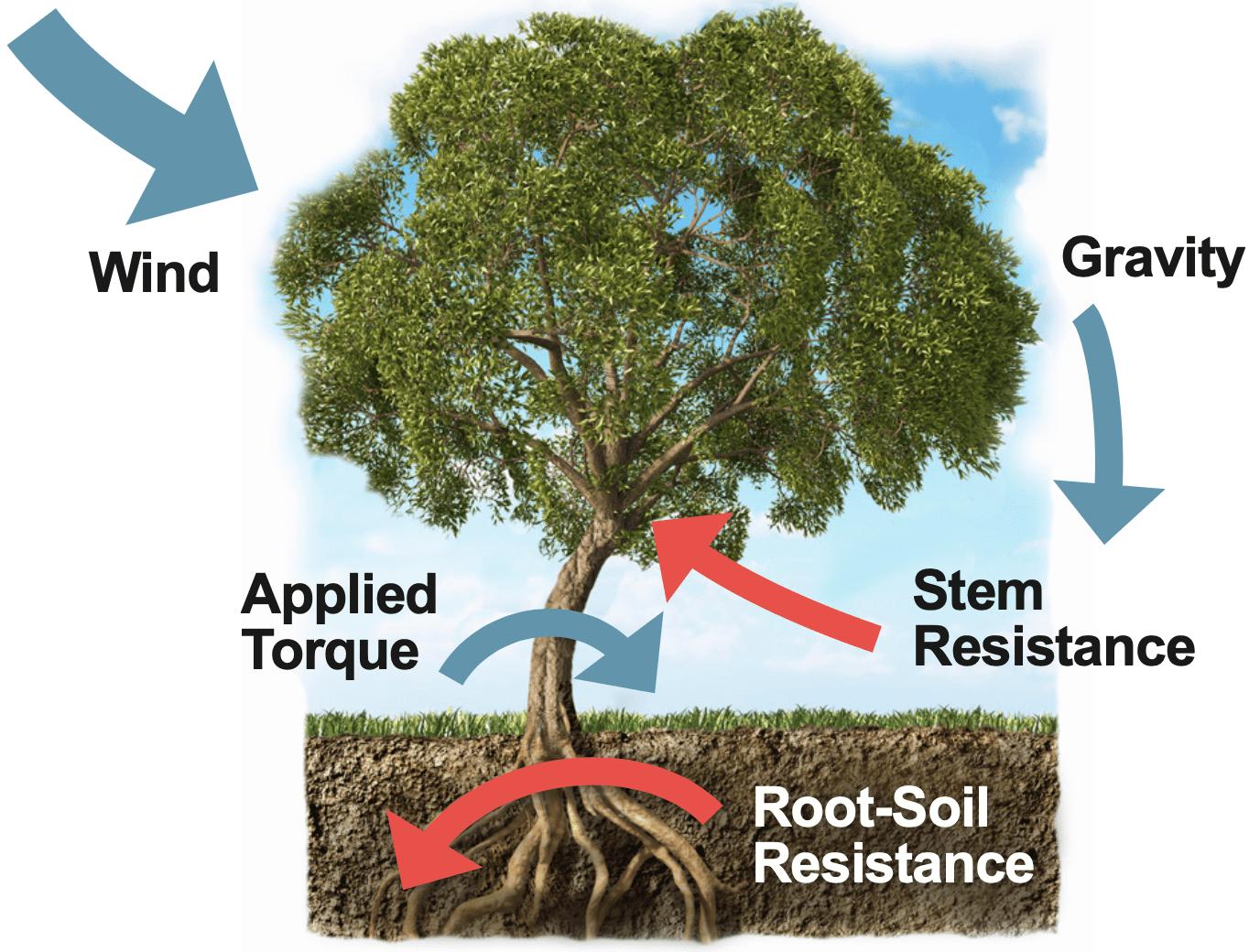
Trees would experience increased mechanical stress because their trunks and branches would need to support more weight. Tall trees with heavy canopies could be particularly vulnerable, especially in strong winds or saturated soil.
However, not every building or tree would collapse immediately. The outcome would depend on structural strength, root systems, soil conditions and the forces already acting on them.
Would Birds and Aircraft Still Fly?
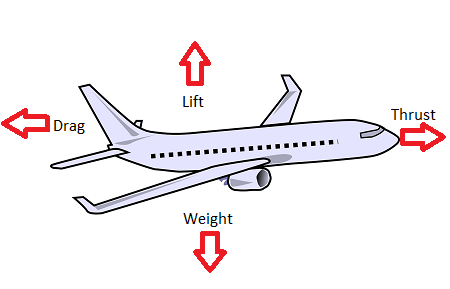
Birds would face a major challenge because their wings would need to generate enough lift to support their doubled weight.
Many smaller birds might struggle to take off, while larger birds would need more energy to remain airborne. Over generations, natural selection could favour stronger flight muscles, different wing shapes or more efficient flight strategies.
Aircraft would also require more lift. At the same airspeed, a wing produces approximately the same aerodynamic lift under otherwise identical atmospheric conditions. But the aircraft’s weight would double, so it would need greater airspeed, more lift-producing capability or a combination of both to remain airborne.
Runway requirements, fuel consumption, engine performance and aircraft structural loads would all need reassessment. Some aircraft might be unable to operate safely without significant modifications.
Helicopters would face similar difficulties because their rotors would need to generate much more lift.
Would Earth’s Atmosphere and Oceans Change?
A stronger gravitational field would hold the atmosphere more tightly, making it harder for atmospheric particles to escape into space.
The atmosphere would not instantly disappear or suddenly become unbreathable. However, its pressure distribution and vertical structure would change, with atmospheric pressure generally decreasing more rapidly with altitude.
Oceans would also experience stronger gravitational loading. Water pressure at a given depth would increase, while the behaviour of tides and ocean circulation could change depending on how the hypothetical increase occurred.
Weather would not simply stop, but atmospheric circulation, waves and other environmental processes could be affected.
Could Life Survive on a Double-Gravity Earth?
Life would not necessarily disappear overnight, but the transition would be extremely disruptive.
Humans and other animals would struggle with movement and circulation. Some infrastructure could fail, aviation would be severely affected, and plants and animals would face new mechanical demands.
Over longer periods, surviving organisms might adapt through evolution, although the extent of adaptation would depend on each species and its biology.
There is one enormous scientific caveat: Earth’s gravity cannot simply double without some underlying physical change. If the planet’s mass increased while its radius remained constant, its surface gravity would rise, but such a change would have other consequences too.
For now, Earth’s familiar gravity remains one of the conditions that makes our bodies, ecosystems and civilisation possible. Double it overnight, and the world would still look familiar—but almost everything would become harder to do.