
Imagine waking up to a world where compasses stop working, satellites face increased radiation exposure, and Earth’s invisible shield against the solar wind has disappeared. For 24 hours, our planet would face a space environment it has been protected from for billions of years.
Would radiation reach our homes? Could power grids fail? And would Earth’s atmosphere begin escaping into space?
The reality is alarming, but not quite the planetary apocalypse some might imagine.
Why Earth’s Magnetic Field Matters
Earth’s magnetic field is generated by the movement of molten iron in its outer core. It creates a protective region called the magnetosphere, which deflects much of the charged material constantly streaming from the Sun.
During solar storms, the Sun releases bursts of energetic particles that can disrupt satellites, communications and electrical infrastructure. Earth’s magnetic field helps shield the planet from these particles, although it does not block every form of radiation.
What would happen if this protection suddenly vanished?
Would Solar Radiation Reach Earth’s Surface?
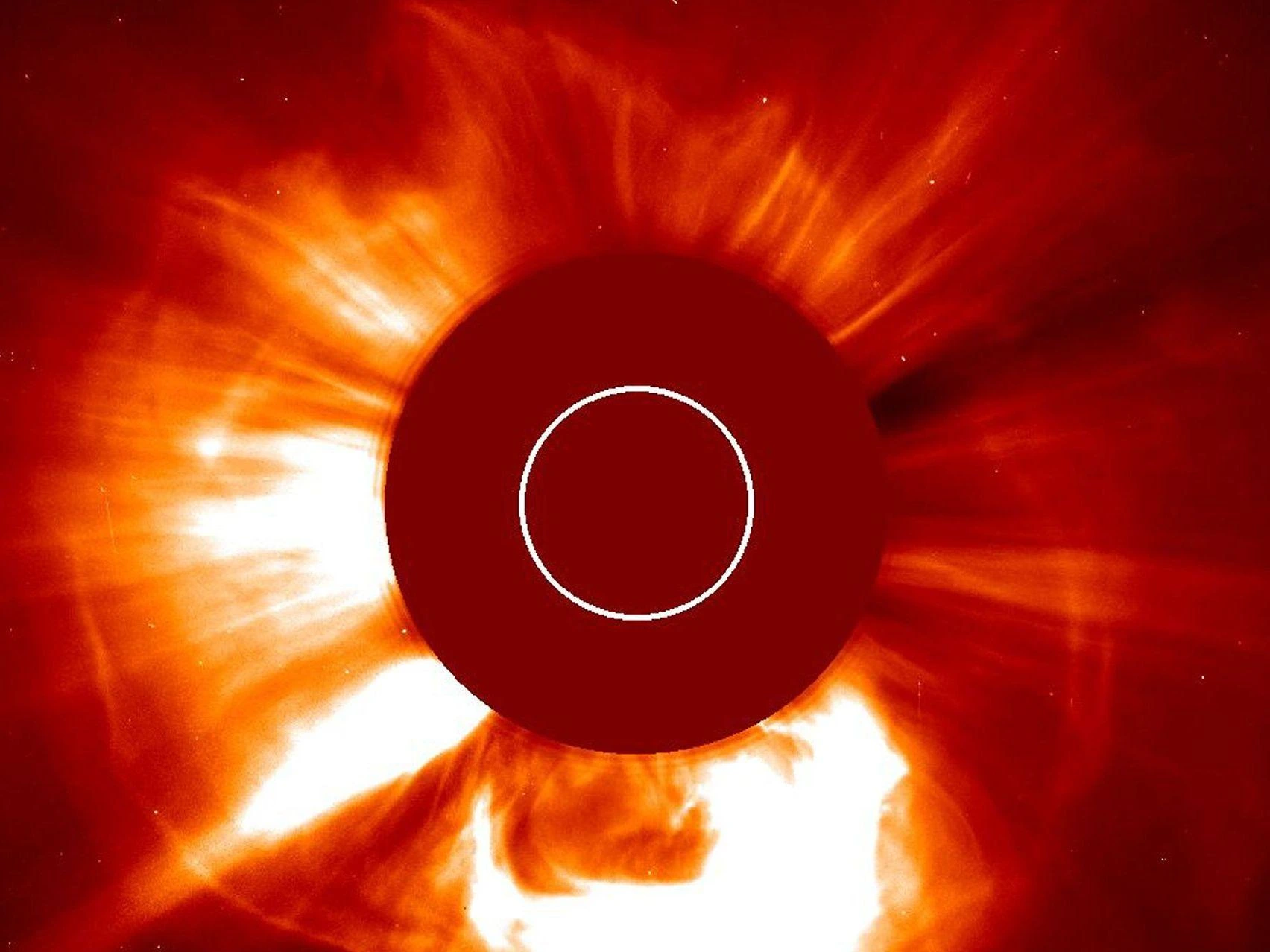
Without the magnetosphere, more charged particles could interact with Earth’s upper atmosphere, especially during an intense solar storm.
However, people on the ground would not suddenly be exposed to lethal radiation. Earth’s atmosphere would remain intact, absorbing much of the incoming radiation and protecting life at the surface.
Astronauts and satellites would face greater risks because they operate above much of the atmosphere’s protection. Aircraft flying at high altitudes could also experience increased radiation exposure during severe solar particle events.
The severity would depend heavily on solar activity during those 24 hours. A quiet Sun would pose a different threat from a powerful solar eruption.
What Would Happen to Satellites and GPS?
Satellites support GPS navigation, weather forecasting, telecommunications and numerous essential services. Without Earth’s magnetic shield, some spacecraft could experience increased exposure to energetic particles, potentially damaging electronics or disrupting instruments.
GPS would not automatically stop working. It relies on signals from satellites, not Earth’s magnetic field. However, changes in the ionosphere could interfere with those signals, reducing positioning accuracy.
Traditional magnetic compasses would lose their normal directional reference if the magnetic field disappeared completely. Navigation systems using magnetic sensors could also experience problems.
Satellites would not suddenly fall from orbit, because Earth’s gravity would remain unchanged.
Could Power Grids Collapse?
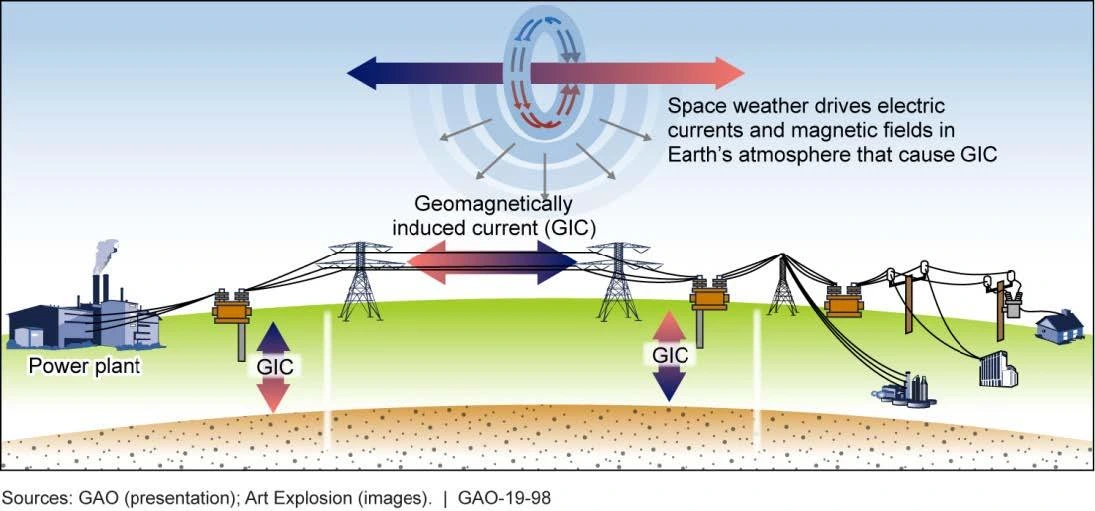
Power grids are vulnerable to geomagnetic storms, which can induce unwanted electrical currents in long transmission lines. During extreme events, these currents can interfere with grid operations and potentially damage transformers.
A complete disappearance of Earth’s magnetic field would be unprecedented, making its precise effects difficult to predict.
If a powerful solar storm occurred simultaneously, some regions could face electrical disturbances, communications problems and satellite-related service interruptions.
Nevertheless, a worldwide blackout would not be inevitable. The outcome would depend on solar conditions, infrastructure resilience and how the atmosphere responded to the unusual circumstances.
Would Earth’s Atmosphere Disappear?
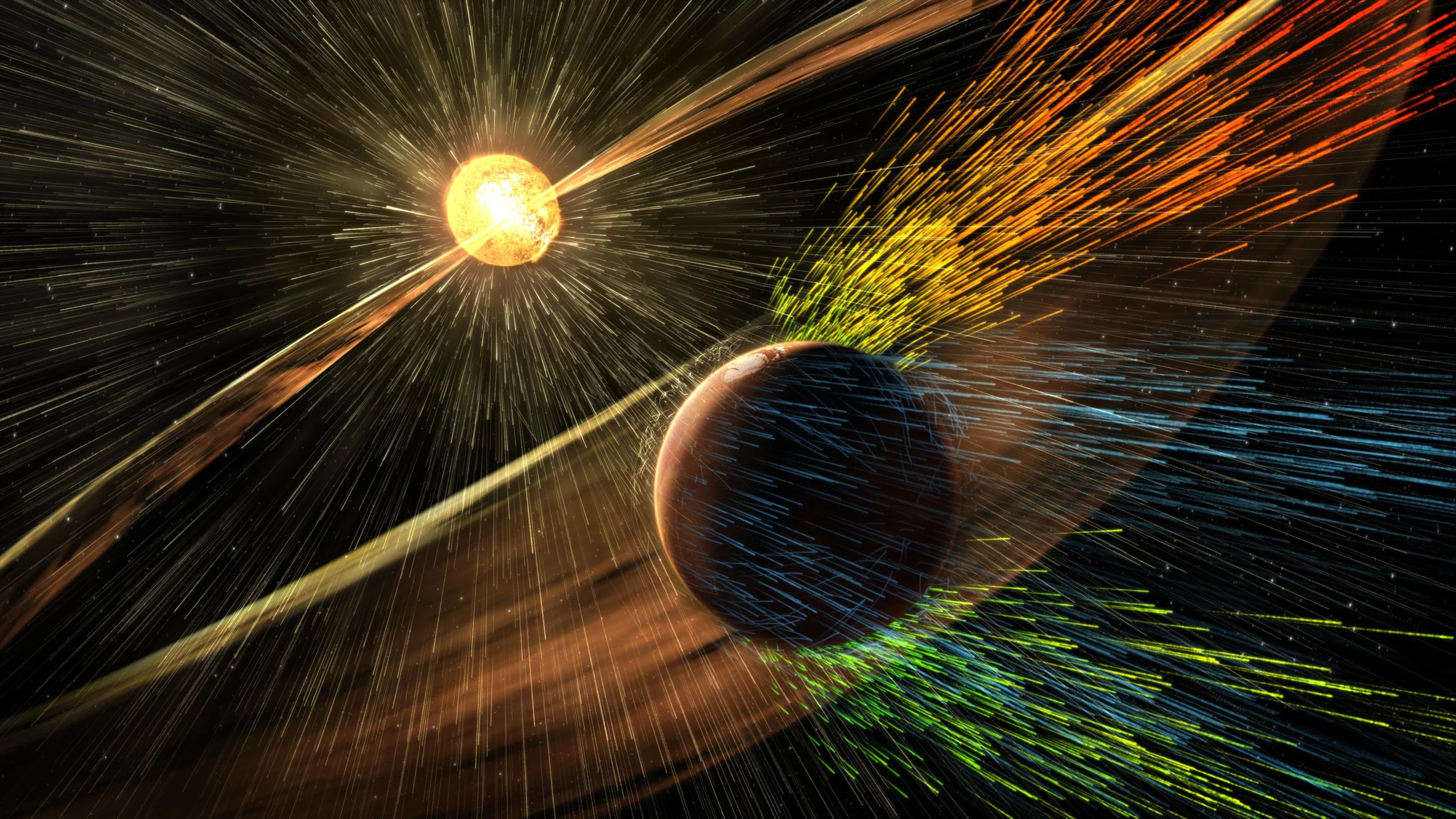
One common misconception is that losing Earth’s magnetic field would cause the atmosphere to vanish immediately.
That would not happen.
Earth’s magnetic field helps protect the atmosphere from long-term erosion by the solar wind. Mars, which lacks a global magnetic field today, has experienced substantial atmospheric loss over billions of years. However, atmospheric escape also depends on gravity, solar radiation and other factors.
Even without its magnetic field, Earth would not lose a significant portion of its atmosphere in just 24 hours. The air, oceans, clouds and weather systems would remain.
The greater concern would be the consequences of a prolonged loss of magnetic protection, rather than a single day without it.
What If the Magnetic Field Returned?
If the magnetic field somehow returned to normal after 24 hours, Earth’s magnetic shielding would be restored. However, any satellites damaged or electrical equipment disrupted during the event might still require repairs.
Scientists would also investigate whether the unusual conditions had affected the upper atmosphere, satellite operations or communications systems.
In reality, scientists know of no natural process that would make Earth’s entire magnetic field disappear completely and then switch back on precisely one day later. This remains a hypothetical scenario.
The Real Danger Behind a Missing Magnetic Field
Earth’s magnetic field is an extraordinary planetary defense system, but it is not an impenetrable barrier. Solar storms already demonstrate how space weather can affect navigation, satellites, communications and electrical infrastructure.
If the magnetic field disappeared for 24 hours, life on Earth’s surface would not automatically become impossible. The atmosphere would continue protecting people, while the most immediate risks would involve vulnerable technology and infrastructure.
The truly concerning scenario would be a prolonged loss of magnetic protection, allowing the solar wind to influence Earth’s atmosphere over much longer periods.
For now, our planet’s magnetic shield remains active, quietly helping protect the world we depend on every day.